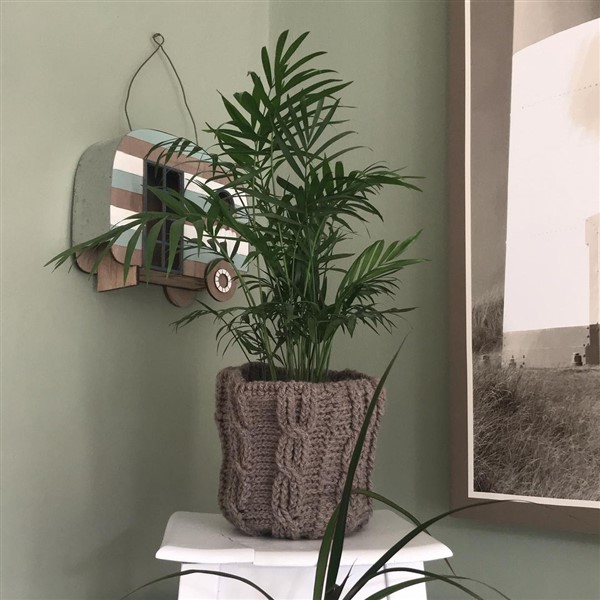
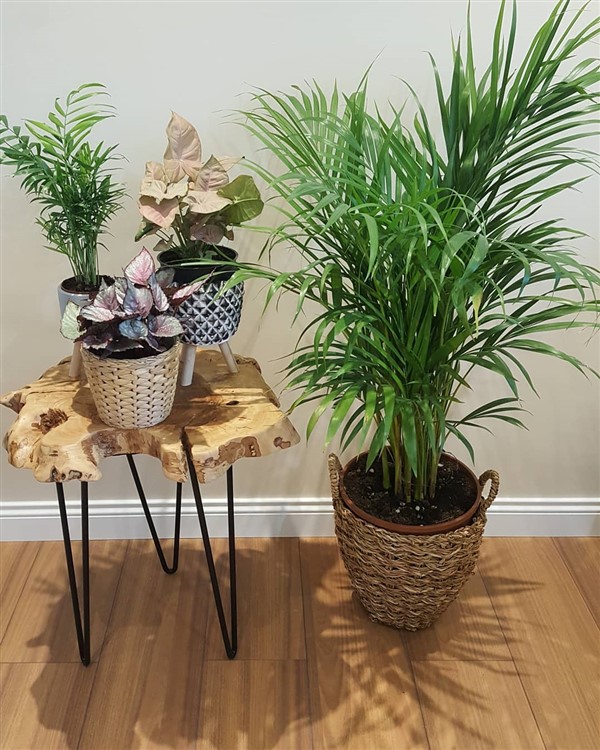
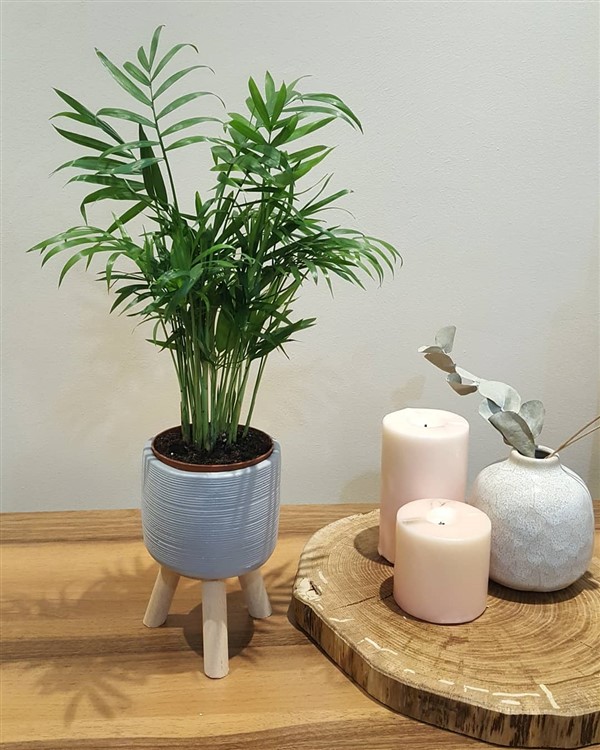
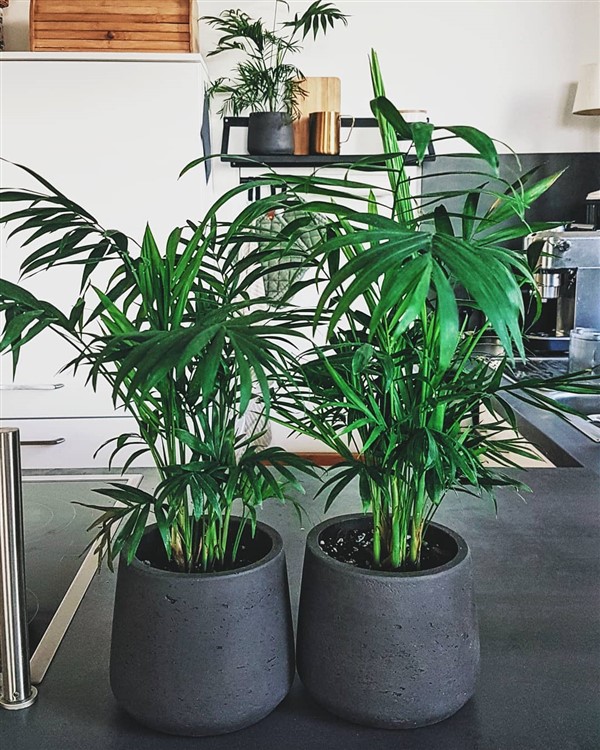
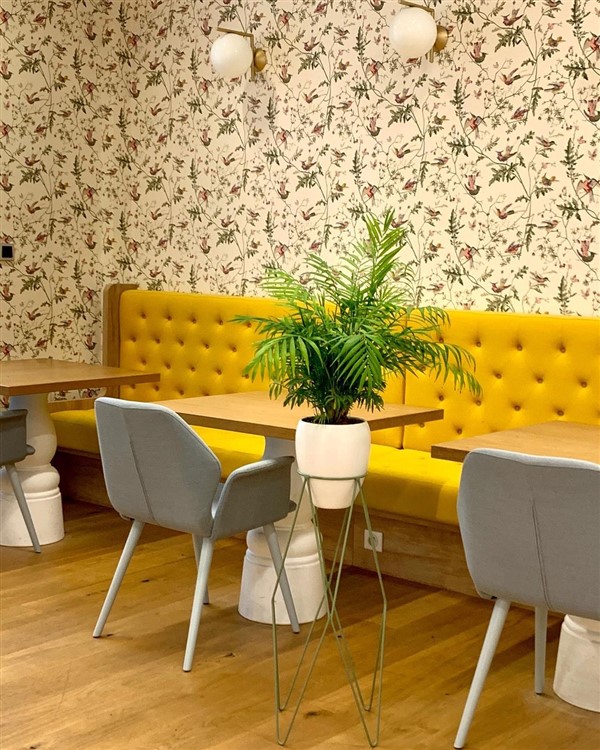
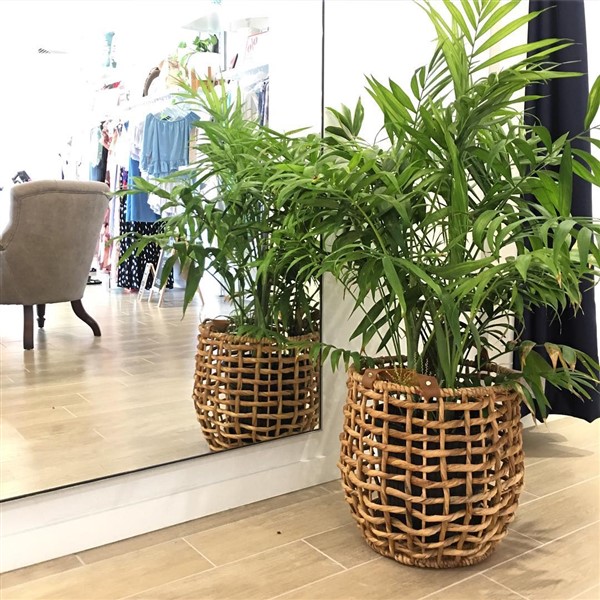
Parlor Palm is one of the most favorite plants due to decoration reasons. Such plants that are present in both indoor and outdoor spaces are not only decor but also natural air purifiers. This multi-oriented plant has several names such as the small palm tree and Neanthe Bella palm. Also, its scientific name is Chamaedoree Elegans. Besides, it is indigenous to the rainforest of Mexico and Guatemala. That is why it bears the characteristics of a tropic plant. Just like Areca Palm, their different sizes can be readily reached at reasonable prices in the market.


General Information
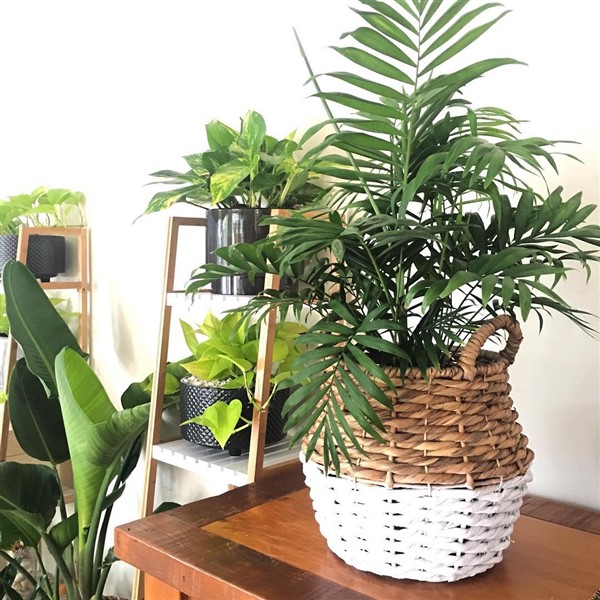
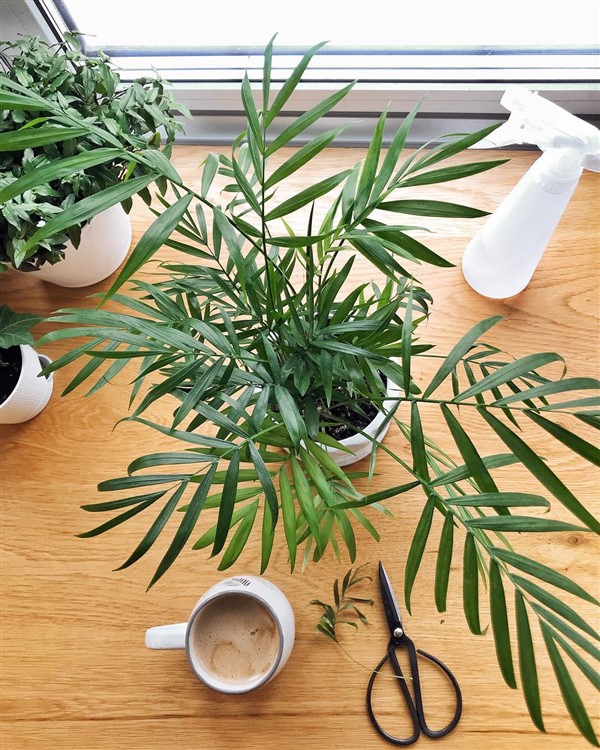
Being a relatively small plant, Parlor Palm typically has multiple tubular stems looking upwards, and thin, long, pointed, arching glossy green foliage. Also, this easy-to-grow plant sprouts odorous red, orange, and yellow flowers in its lower parts. These flowers are more significant in summer. Above all, it gives berries as much as peanut. Besides, it tolerates challenging conditions to a certain degree. For that reason, it is a forgiving plant just like Kentia Palm. In terms of lifespan, Parlor Palm is a perennial plant. Generally, its height could reach up to 9 ft (3 m). By the way, it is a non-toxic plant for pets (dogs & cats) in case of ingestion.

How to Care For Chamaedorea eleganse
Sunlight: Long hours of direct sunlight lead to scorching leaves. So, Chamaedorea eleganse prefers semi-shade spaces getting filtered sunlight. But the insufficient amount of sunlight makes leaves pale.
Watering: The potting soil should be kept moist. For that reason, this plant needs weekly watering. However, overwatering could kill such plants.
Humidity: The settings with high humidity thrive this plant easily. For that reason, there are some means of increasing the humidity. Here, they are wet pebble trays, electronic humidifiers, and water sprays.
Temperature: The temperatures up to 85°F (29°C) and down to 50°F (10°C) are livable for this plant. It should be protected from cold and warm drafts. According to the USDA plant hardiness map, 10-12 regions are ideal to have it grown.
Soil Type: Peaty soils are effective. Also, there are some potting mixes as useful as peaty soils. Well-draining ones ensure Parlor Palm breathes comfortably.
Fertilizer: Liquid fertilizers diluted to half-strength help the plant develop fast. Also, it meets its energy needs. So monthly fertilizing will suffice in its growing season. In winter, it does not need much.
Propagation: The best way is to start from its seeds. Although it takes years to become mature, it grows without any problem. The division could be an alternative propagation way. As a warning, the division should be done accurately. Otherwise, both the mother plant and the baby plant take heavy damages in this process.
Repotting: As long as this plant is short, repotting does not require. Ordinarily, once two years in spring, this plant should transfer to a relatively big planter. For example, if the first is a terracotta pot, the second one may be a gabion planter.

Common Problems
Pest infestation: Red spiders, spider mites, aphids, scales, and other forms are a detriment to Parlor Palm. This problem occurs under low humidity conditions in general.
Pathogenic diseases: Fungal and bacteria are serious problems for this plant. Specifically, these pathogens emerge when the plant’s immune system is low.
Yellow leaves: It stems from both overwatering and underwatering. Both ways, the roots cannot convey enough water to the upper part of the plant. Specifically, leaves go yellow day by day.
Suggestions for problems: Pest-infested plants cannot neglect for a long-time. These creatures can also harm other plants where Parlor Palm co-exist. So you can use pesticides and neem oils. On the other hand, pathogenic diseases are serious. In case of any mold built-ups, you must prevent any spread-outs. For example, washing the soil with purified water is one of these measures. So early intervention is vital. When it comes to yellow leaves, you must check the roots first. If there is not any problem, go on its regular care.