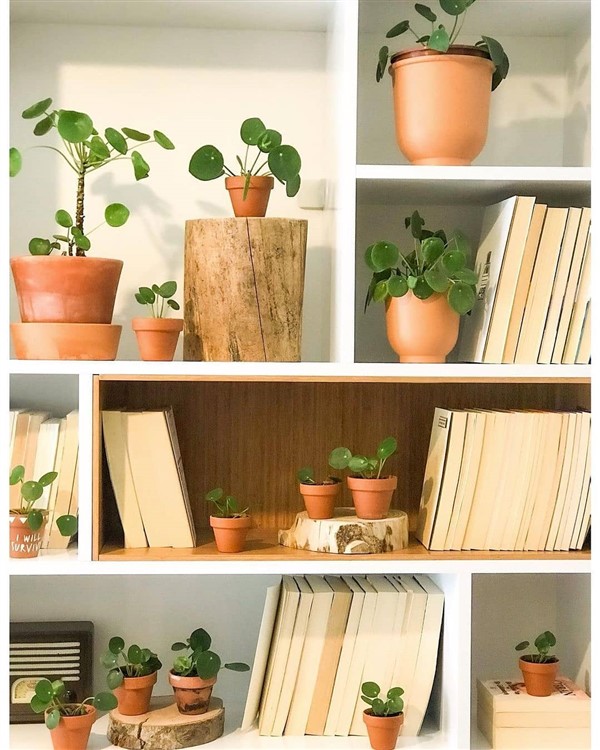
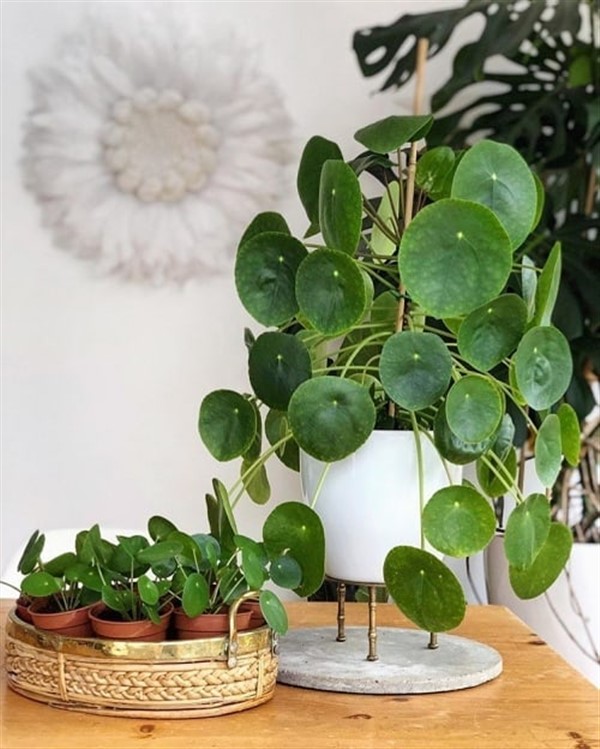
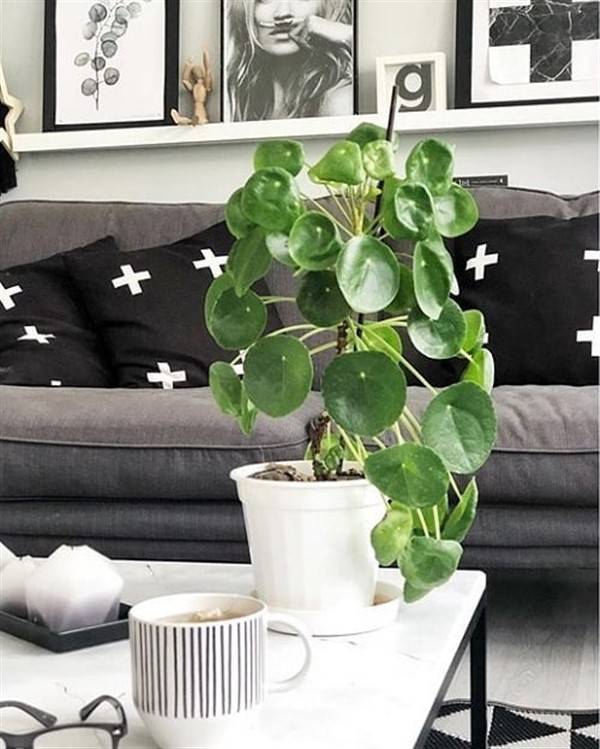
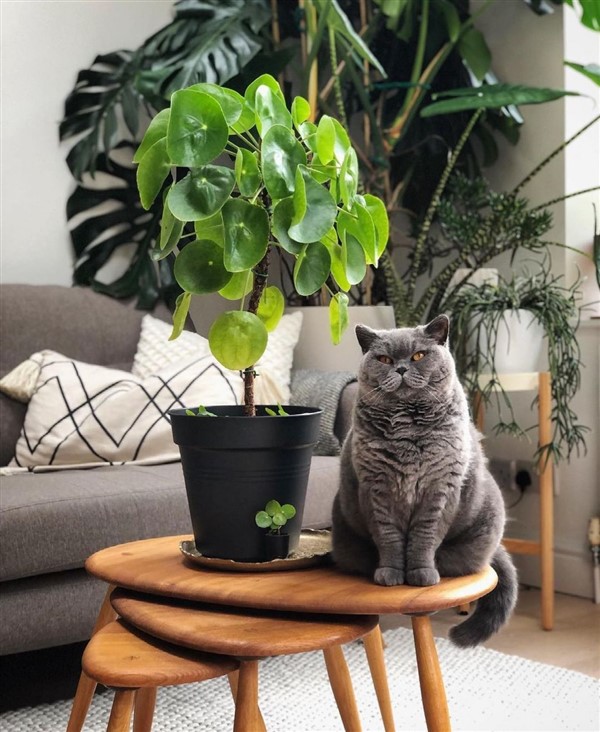
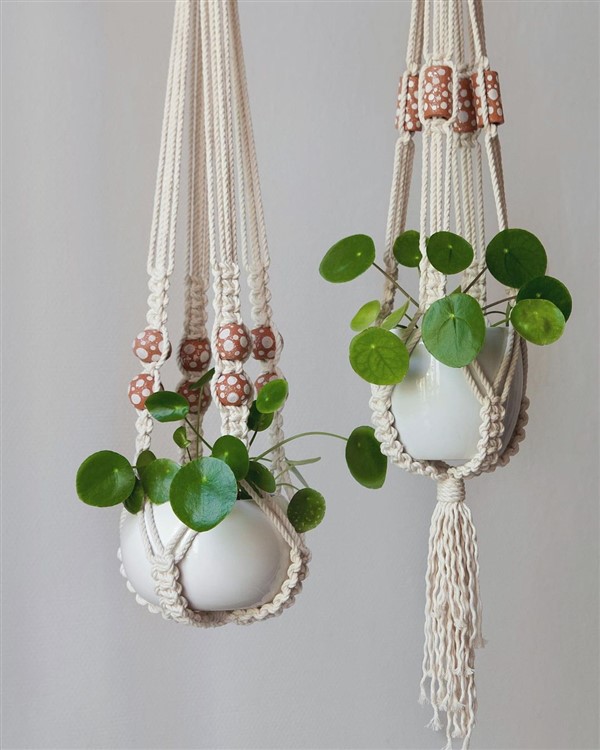
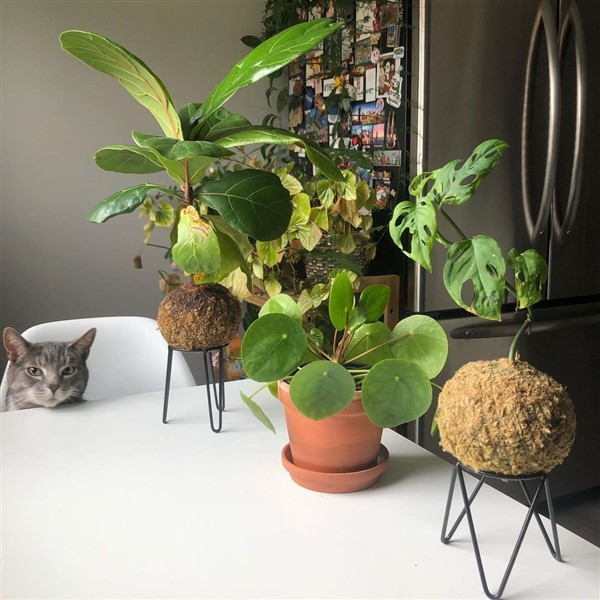
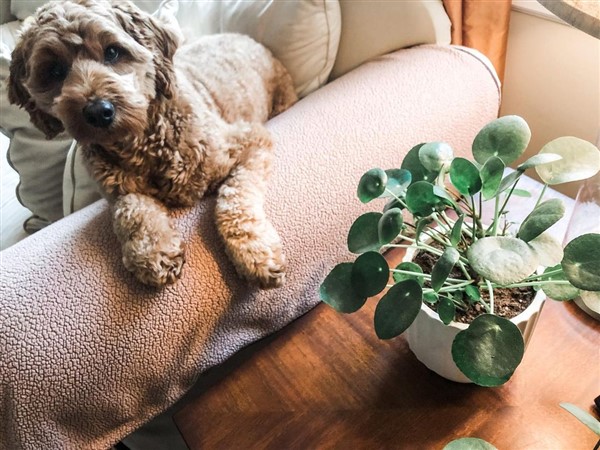
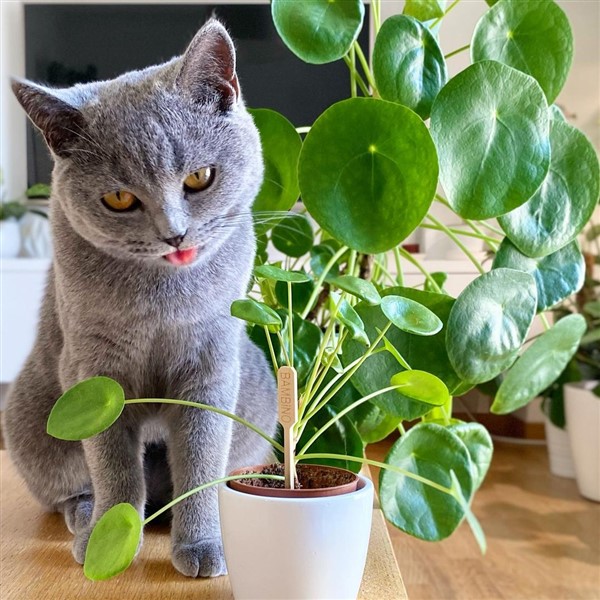
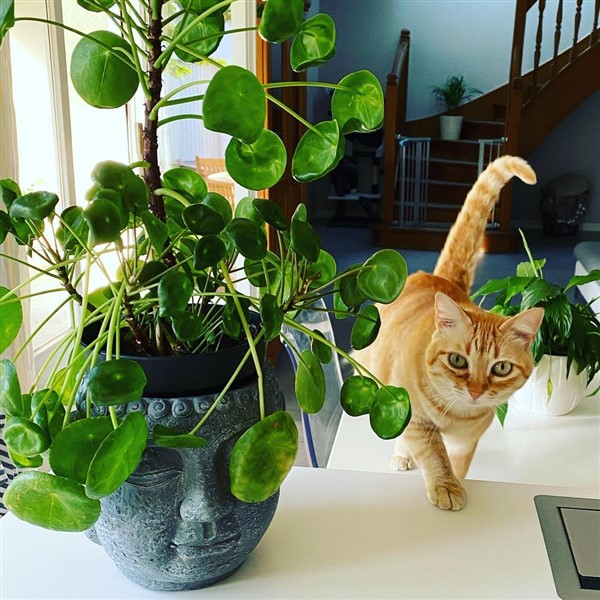
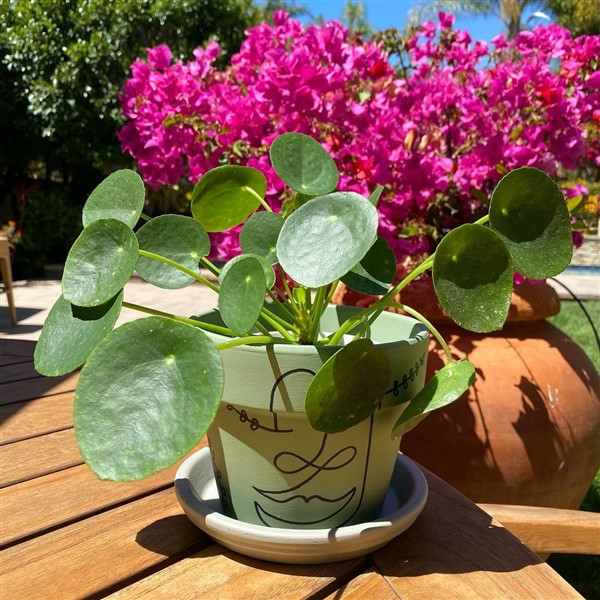
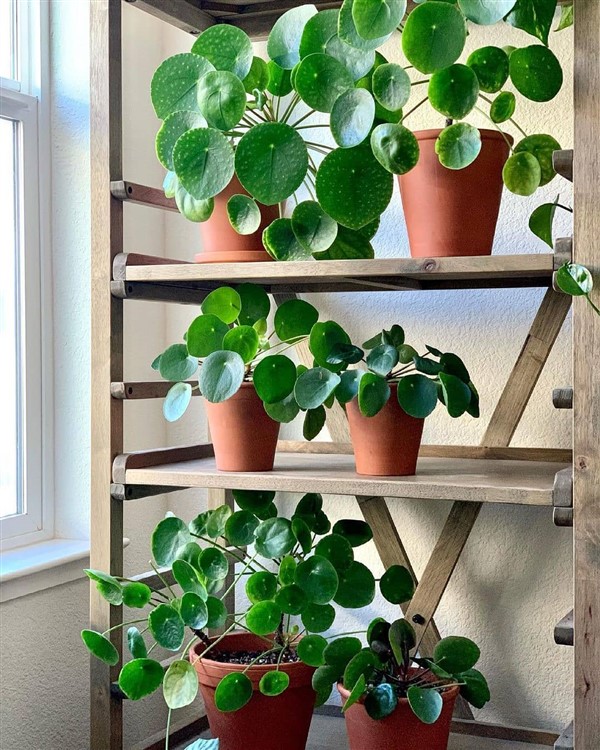
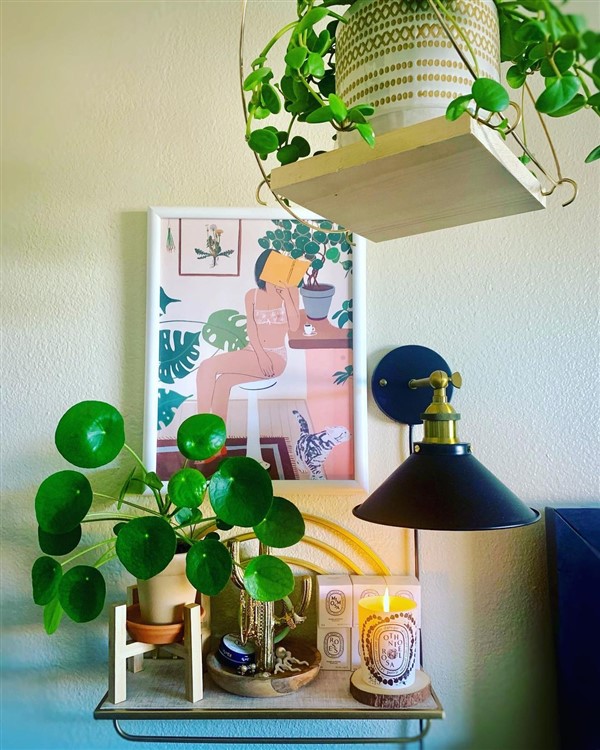
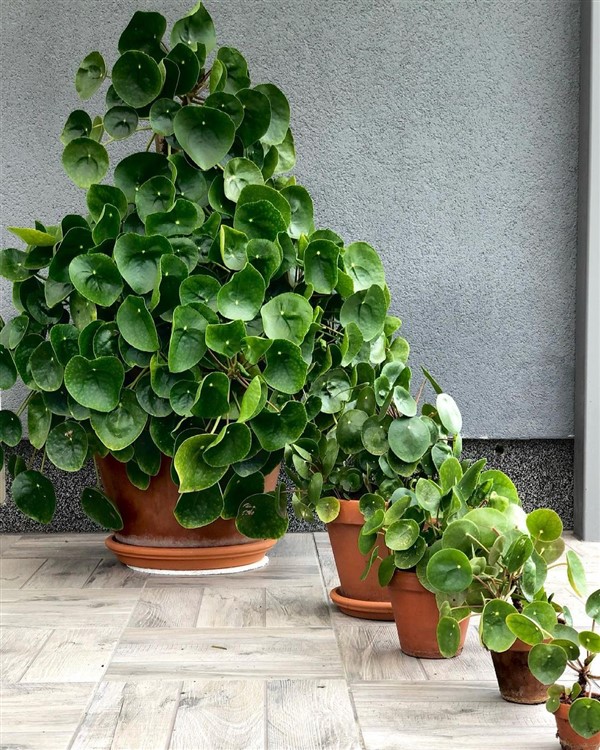
The Chinese money plant is an attractive houseplant thanks to its coin-shaped leaves. The ease of care makes it even more popular, just like Snake Plant! Also, it is believed that if you place a coin in the soil of your plant, it will spontaneously attract wealth. If you suddenly become very rich after owning this plant, you know the reason why!


General Information
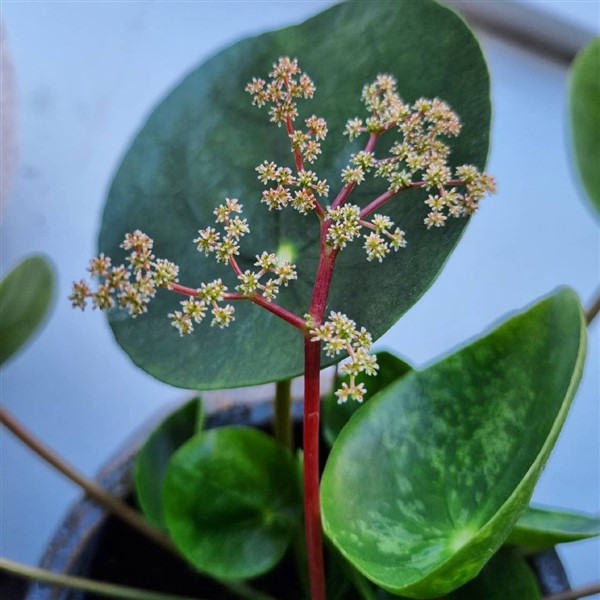
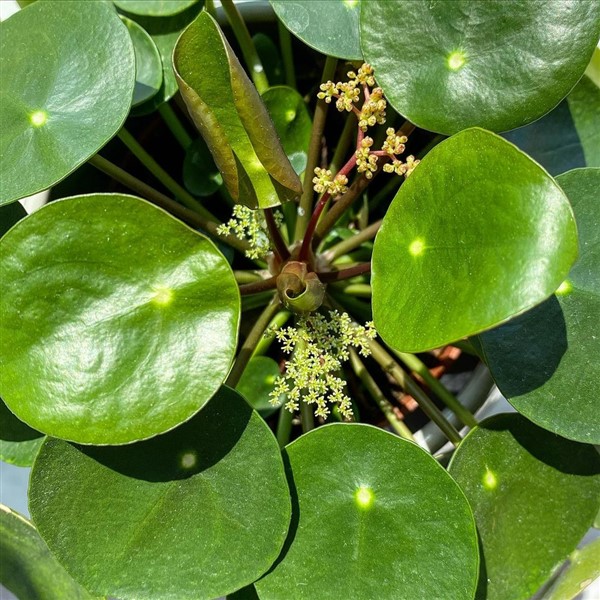
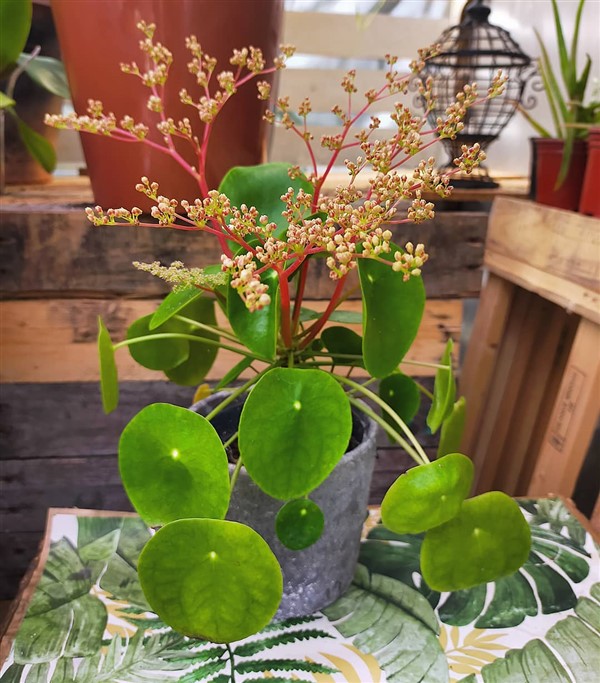
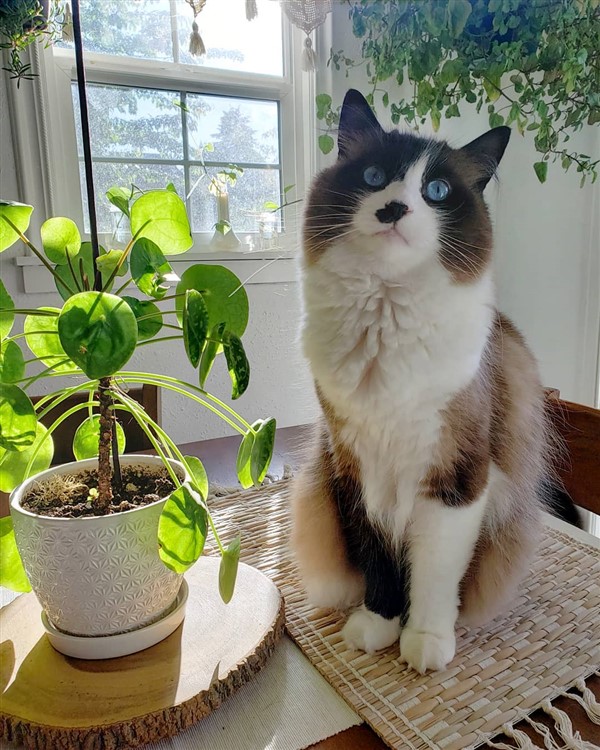
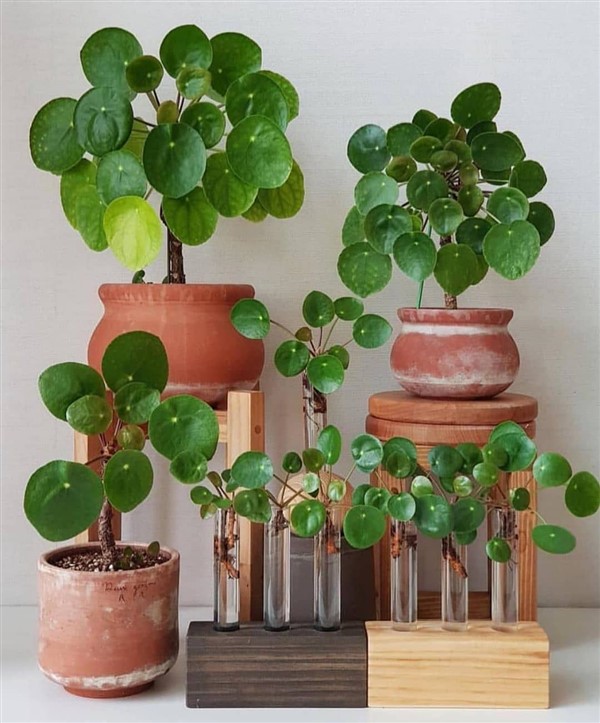
Known as the Pilea peperomioides scientifically, this houseplant is native to Yunnan and Sichuan provinces in southern China and grows along the base of the Cang Mountain. With its coin-shaped foliage and origin, it adopted the name, “Chinese money plant”. You can easily identify this plant by its flat, round leaves. Those leaves are leathery and thick and resemble dark green pancakes. Even though it can garnish its beautiful foliage with little white flowers throughout the springtime, the Pilea peperomioides often do not bloom when grown indoors. However, it is an evergreen perennial plant and can grow up to 12 to 15 inches, or 30 to 40 cm. Another great thing is that it is non-toxic and therefore pet-friendly.
How to Care Pilea peperomioides
Sunlight
The Pilea peperomioides love medium to bright indirect light. You can rotate your plant regularly, like once a week, to keep it looking symmetrical whilst growing. Avoiding locations that receive direct and harsh light will prevent its leaves from burning. Although this plant can adapt to lower light conditions, this may make it grow fewer sprouts and the coin-shaped leaves may grow smaller. To summarize, bright light conditions are the healthiest and the most attractive choice.
Watering
The Chinese money plant has medium water needs. You should allow the plant to almost dry out its soil between waterings and then water thoroughly. When it dries, its leaves will start to droop. This is a good sign to remind you that it needs watering.
Humidity
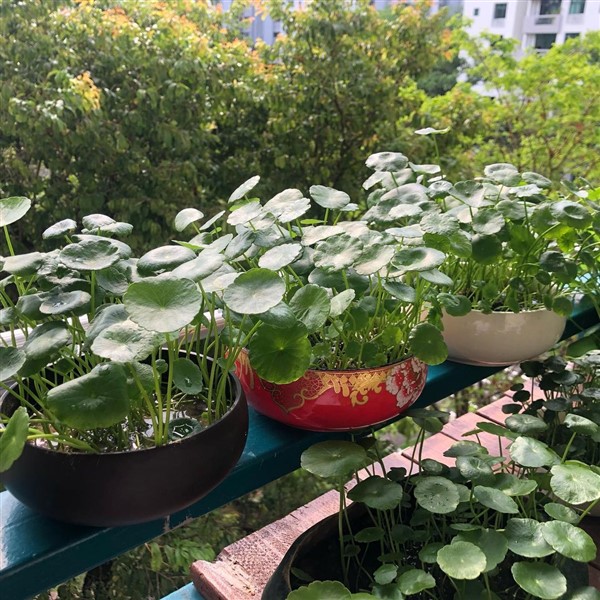
This plant enjoys humidity levels of 50 to 75%. Brown patches may appear on the tips of plants and the sides of leaves when the humidity is low. Therefore, you have to increase humidity by misting the plant with water several times a week or placing it in a gravel tray filled with water. Plants that are grouped together might also help to raise humidity levels.
Temperature
The average temperature of the household is okay for the Pilea peperomioides. However, you should avoid overly dry conditions such as heating vents or baseboards. It can withstand cold temperatures but when kept indoors you should not expose it to temperatures below 50 degrees Fahrenheit, or 10 degrees Celcius. A brief period of cold exposure throughout the winter months, on the other hand, may aid in flowering.
Soil Type
You should plant your plant in rich, well-draining soil, preferably a peat-based or coir-based high-quality organic potting mix with a pH of 6.0-7.0. Perlite could be added to the soil to help it drain better and avoid becoming waterlogged.
Fertilizer
During the spring and summertime, your Chinese money plant can benefit from monthly fertilization. You can use a balanced, all-purpose fertilizer for good results. During the fall and winter months, when the plant is dormant, you should avoid fertilizing.
Propagation
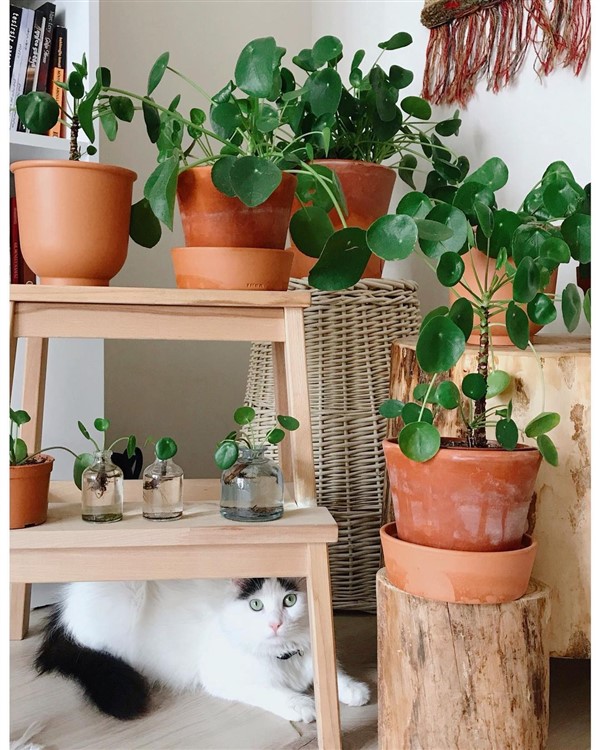
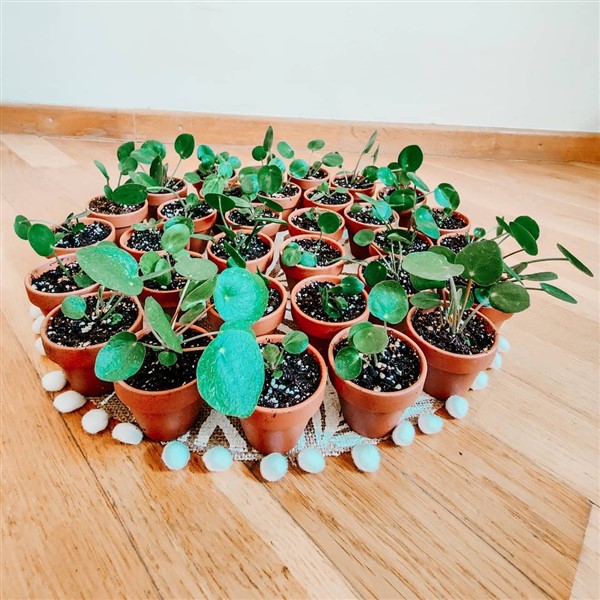
It is very easy to propagate the Pilea peperomioides. The plant can quickly grow offshoots and once the offshoots are a couple of inches or 2 to 8 cm tall, you can separate them from the mother plant. Just gently dig around in the dirt to reveal its roots, then cut the main root an inch or two (2 to 5 cm) below the soil using a clean knife or pruning scissors. After that, move the split cutting into some moist soil in a separate potting container as soon as possible. Until the new plant develops a root system in its new pot, keep the soil moist but not waterlogged. Then you can care for the new plant as we mentioned before.
Common Problems
Leaves curling or dropping: Multiple reasons can cause this problem. It is common for almost every houseplant.
White grains or brown spots: These may appear on your plant’s leaves.
Bugs or pests: This is an issue with houseplants in general, and Pilea peperomioides is no exception.
Suggestions for problems
The most common reason for leaves droop is dry soil. If you forgot to water your plant in a while, it is possible that this might be the reason. Check to see if the soil is too dry, if so, water it thoroughly. On the other hand, drooping may be caused by overwatering. Make sure you only water your plant when its soil is dry. Too much watering may cause root rotting and in that case, you should change your pot and soil.
If your plant has curling leaves, it is most likely due to too much sunlight. Changing the plant’s location will help you. White grains on the leaves are not to worry about! They are just mineral deposits. You can leave them be or just wipe them with a cloth.
Brown spots may mean sunburn. You can fix this problem by relocating your plant to prevent it from getting harsh sunlight for extended periods. Also, using fertilizer more than the recommended dose may also burn your plant’s foliage.
Different symptoms are caused by different kinds of bugs. For example, leaf curl and webbing under the leaves are caused by spider mites. White dots on leaf bases mean mealybugs. Tiny flies appearing near the plant and in your home are caused by fungus gnats infestation. If you notice any of these, take a closer look. If you notice any bugs, use insecticidal soap to stop the problem from getting worse. Now you are all set to grow a beautiful Chinese money plant!