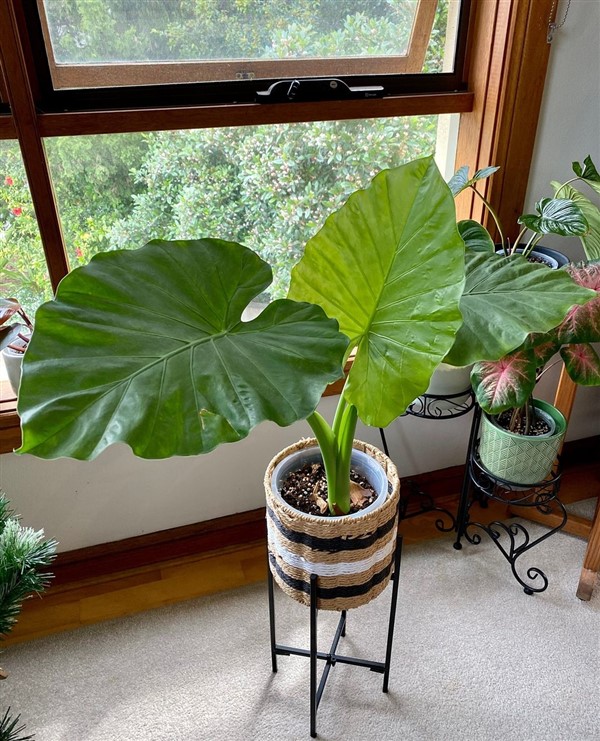
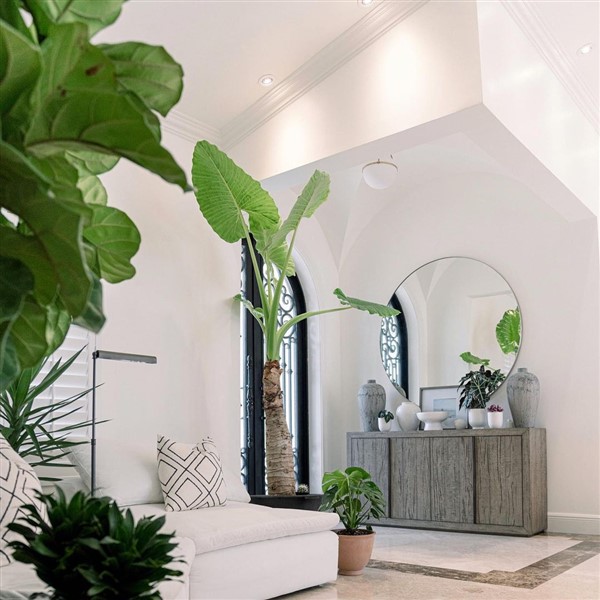
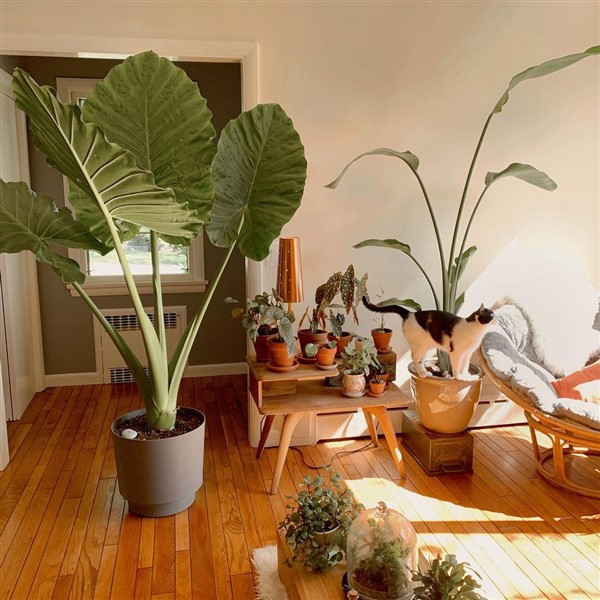
With its dramatic, massive leaves, Alocasia macrorrhiza has remarkable attractiveness. It is a rhizomatous evergreen perennial plant that is great for ornamental purposes and gives gardens, both indoors and outdoors, a lush appearance.


General information
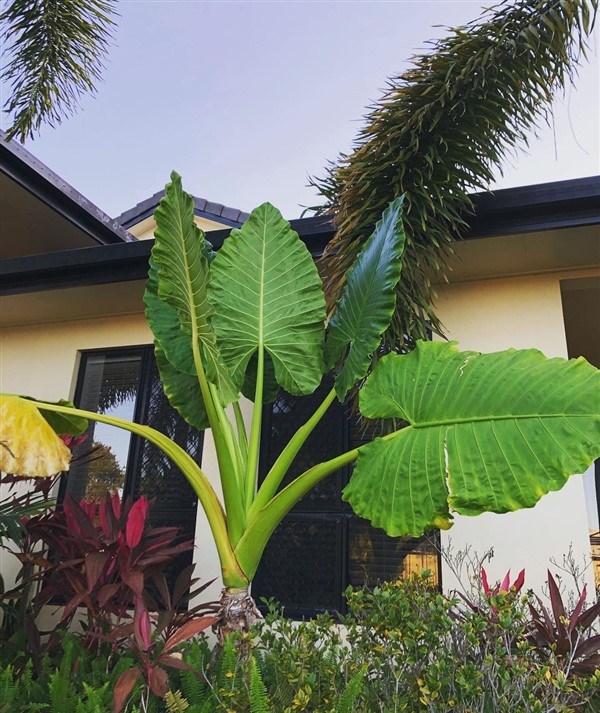
Also known as Giant Taro or Giant Tropic Elephant Ear Plant colloquially, Alocasia macrorrhiza is a plant originally from rainforests of Island Southeast Asia, New Guinea, and Queensland. It has been cultivated in the Philippines and many Pacific islands too for a long time. Known as the cunjevoi in Australia, which is a term that also refers to a marine animal, Giant Taro’s massive, thickly carved forest green leaves which resemble an elephant’s ears, are held upright on eerily hard stems. They are arrow-shaped at the base and stand upright, pointing skyward.
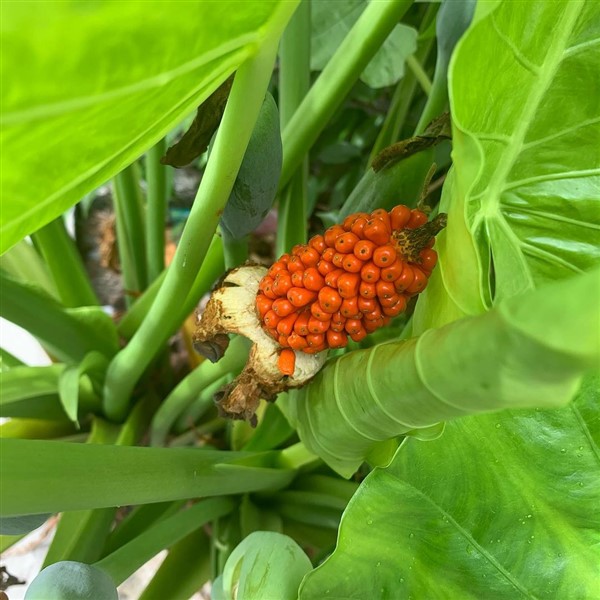
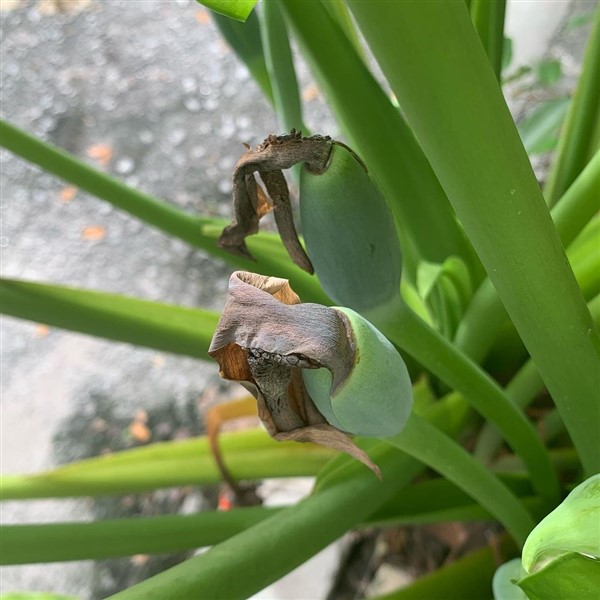
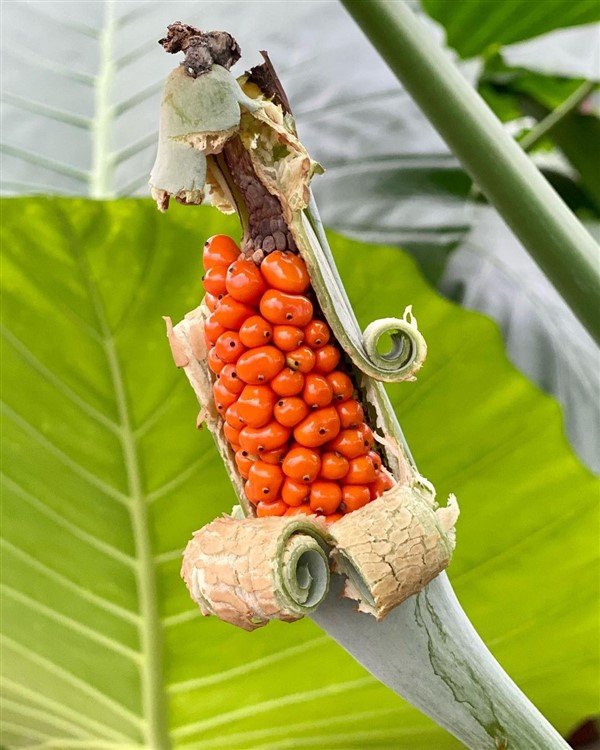
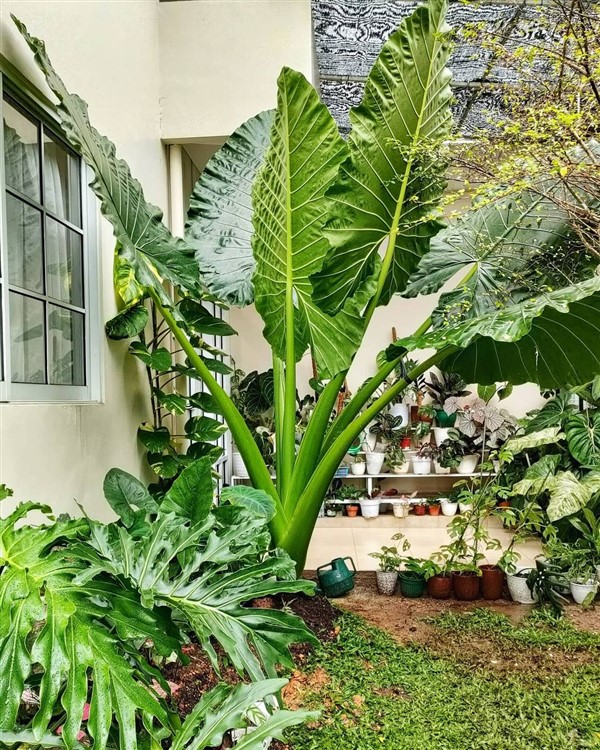
The leaves can grow to be 3-6 feet long (90-180 cm) and 2-4 feet wide (60-120 cm) and the plant, in general, can grow up to 12-15 feet in height (360-450 cm) and 6-8 feet wide (180-240 cm). The blossoms of the plant have a yellowish-green spathe and spadix and are not especially showy and only bloom once or twice a year. As a focal or specimen plant, this sensitive perennial is perfect!
One thing you have to consider is that the Alocasia plants, just like Green Velvet Alocasia; are toxic, especially for pets. The Alocasia family has calcium oxalate crystals. These crystals induce swelling of the mouth, tongue, and upper respiratory tract. Therefore, be careful when you are taking care of these plants. Make sure that you place them where your pets and children cannot reach them. If consumed, see a doctor or a veterinarian immediately.
How to Care for Alocasia Macrorrhiza
Sunlight
With the exception of up to two hours every day, Alocasia macrorrhiza thrives in places that provide bright, indirect light. Root rot, as well as slower development and yellowing older leaves, will be more likely in areas that are too gloomy. Although strong, indirect light is ideal, if feasible, including some morning or evening sun to help prevent over-watering. A very dark location can cause a variety of problems, including uneven growth, soil mold, and root rot. In a semi-heated conservatory, provide overhead illumination to promote balanced, vertical development.
Watering
Allow the top third of the soil to dry out between waterings, and reduce this even more in the autumn and winter. When in shady or cooler settings, it’s always better to under-water an Alocasia macrorrhiza than to over-water it.
Use lukewarm water to soothe them if they become irritated, as their root systems are quite sensitive to temperature changes. Although rainwater is preferable, since it is a tropical plant, if you have to use tap water, let it sit for 24 hours to remove chlorine and fluoride. Over the course of several months, large amounts of the chemicals will build up in the soil, causing harm to the plant’s overall health and soil quality.
Humidity
It favors humid environments as a tropical plant but will withstand lower levels. Use humidifiers or put plants together to create a greenhouse effect to increase humidity. While the heaters are running, fill a humidity tray with water to keep your plant moist and stable. The leaf-tips of Alocasia macrorrhiza may brown and curl if the surrounding saturation is too low or the heat is too high, especially in direct sunshine. Hose down the foliage from time to time to keep the leaves hydrated and the dust levels low.
Temperature
Warm temperatures, between 60 and 80 degrees Fahrenheit (15-26 degrees Celcius), are ideal for Elephant Ear. Alocasias will go dormant if the temperature falls below 60 degrees Fahrenheit, or 15 degrees Celcius.
Soil Type
Plant your Alocasia Macrorrhiza in moist, nutrient-rich, well-draining soil. A loose mix is the best choice for these kinds of plants. For plants like these, which love moisture, add pumice to help with drainage and coco coir to help with water retention.
Planter Type
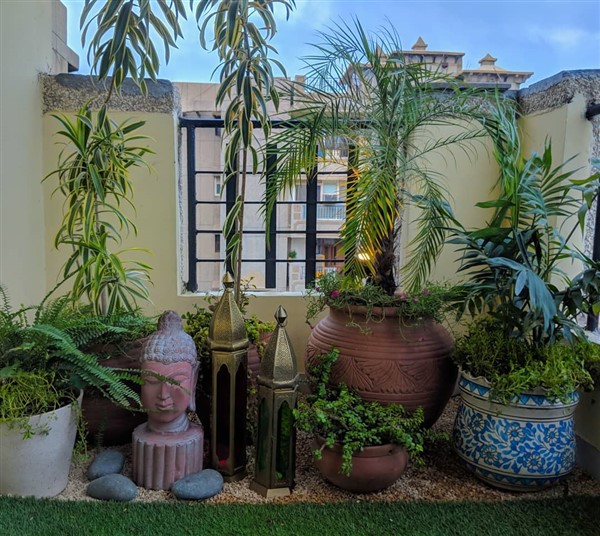
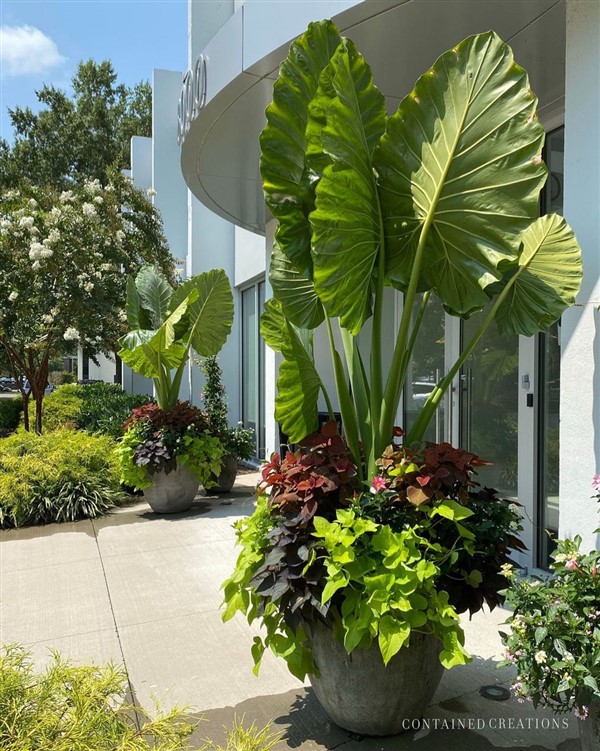
Patio and indoor containers work well with Alocasia. Patio and indoor containers work well with Alocasia. A 10′′ to 20′′ diameter (25-50 cm) container with a 10′′ (25 cm) depth is enough to start. Keep in mind that the looser the roots are, the higher and healthier your plant will become. When a plant’s growth slows due to root entanglement, it’s time to upgrade to a larger container.
Fertilizer
Alocasias, especially large species, can be heavy feeders. These plants prefer nutrient-rich soil and will benefit from some extra help during the growing season. Using a ‘Houseplant’ marked fertilizer, feed every four watering during the growing season and every six in the autumn and winter. Never use a ‘Ready to Use’ product without first pre-watering the soil, since this might burn the roots and cause yellowed foliage.
Propagation
You can propagate your Alocasia plants through division. Divide the plant into smaller pieces with clean, sharp shears, making sure each piece has a few corms attached. Separating tubers is another way to grow these plants. Uproot the plant gently and separate the tuber from the parent plant. Make sure the top of the tuber is flush with the soil surface when planting it in the soil. To accelerate development, keep the soil warm and moist, with plenty of humidity.
Common Problems
Yellowing Leaves: Elephant Ear’s foliage could be turning yellow for a variety of causes.
Shriveled or Drooping Leaves: Giant Taro’s leaves might droop or shrivel at times.
Curled Leaves and Brown Leaf-Edges: Alocasia macrorrhiza thrive in strong, indirect light, and those that haven’t become accustomed to the harsh rays will display signs of sunburn and environmental shock.
Pests and Fungal Infections: Although Alocasia plants aren’t very pest-prone, it’s always a good idea to keep an eye out for typical pests like spider mites and aphids. Bacterial and fungal diseases are more common in these plants.
Suggestions for problems
- Yellow leaves are most often the result of too much or too little watering. Elephant ears are heavy drinkers. Therefore it is possible that the yellowing is due to the amount of food you’re giving them. They also require plenty of sunlight, and if they don’t get enough, leaf yellowing can occur. The leaves of the Giant Taro may turn yellow maintained in an insufficiently large container. In that case, consider the last time you replanted and see if they are potbound. Then, repotting could be the solution.
- If the plant receives too much or too little light or nutrients, it may develop shriveled or drooping leaves. If that’s the case, simply make the necessary adjustments, and your plant will reward you with healthy and gorgeous leaves!
- Too little water and much sun exposure cause curled leaves and brown leaf edges. Winter sunlight is fine as long as the soil moisture is monitored on a regular basis, but once summer arrives, it must be avoided completely to avoid further damage to the foliage.
- Pest infestations can occur at any moment. Spider mites and mealybugs are common inhabitants, with the first being a tiny, almost translucent creature that roams the leaves looking for chlorophyll and a place to lay its eggs. The latter, on the other hand, will be considerably more noticeable, with white cottony webs forming across the foliage and stems. For spider mites, use a damp cloth and wipe as much of the pest and the webs as possible. Also, gently washing the plant with a hose outside helps to get rid of the spider mites.
- The perfect solution for mealybugs is using neem oil or insecticidal soap.
- Fungal infections are mostly caused by overwatering. Foliar treatment of copper fungicide is effective against fungal infections. When the plants are at least 4 weeks old, spray them weekly in rainy weather and bi-weekly in dry weather. To avoid persistently damp leaves, avoid watering from above. Watering the plant only at the base keeps the symptoms to a minimum. Make sure that the leaves are as dry as possible.
- Allow sunlight to penetrate and dry the leaves by opening up the overhanging canopy in the landscape. Increasing the air circulation around the plant works as well. If blight is already present, you can use a foliar fungicide as the last option. Follow the application rate and frequency instructions on the label before ensuring that it is labeled for landscape plants. The fungus will not be eradicated, but the spores will be dried out and the inoculums will be reduced. The plant will create new leaves to grow out of the symptoms once the dry pattern returns.
Suggestions for beginners
Remove any leaves that are unhealthy. If your Alocasia is outside and gets hit by a cold spell, cut the yellow leaves back to the plant’s base. Occasionally, all of the leaves could be injured. In this situation, you can cut the entire plant back to its root. Do not worry, the crown of the plant will slowly recover.