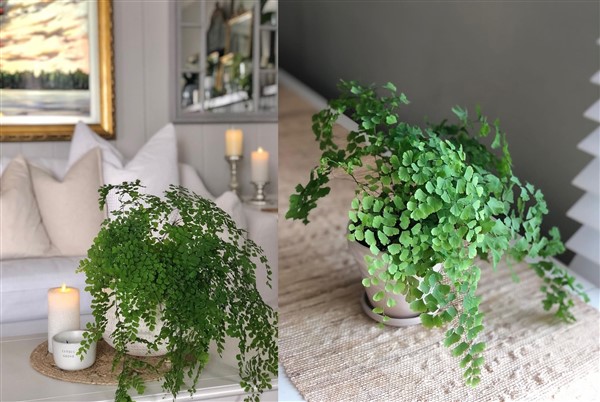
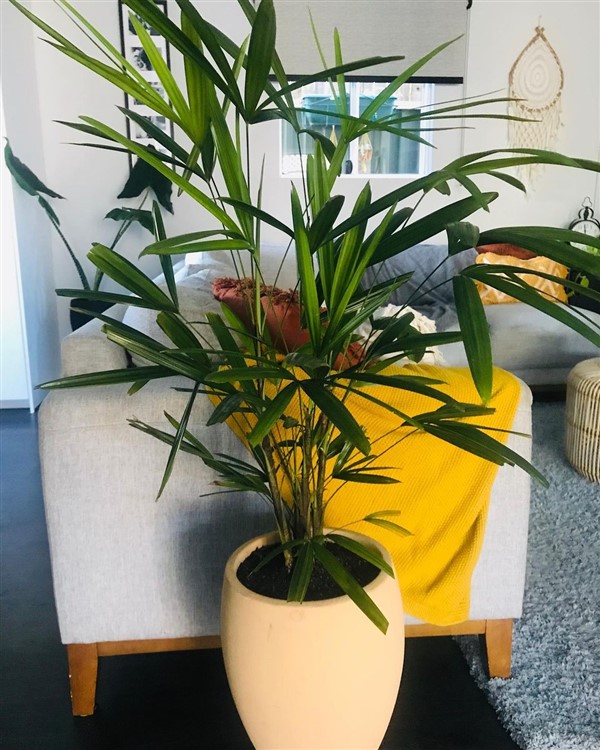
Broadleaf lady palm is one of the interesting decorative houseplants. Although mostly preferred for indoor spaces, it sometimes decorates outdoor spaces like gardens, patios, terraces, and balconies. The scientific name of this plant is Rhapis excelsa. On the other hand, it possesses a few well-known names such as bamboo palm, miniature fan palm, fern rhapis, ground rattan cane, and Japanese peace palm. Originally, this stunning houseplant is widely found in China, along with Japan, and Indochina peninsula countries. What’s more, it doesn’t grow by itself in nature. That’s why it is a cultivated plant. Broadleaf lady palm bears characteristics of sub-tropic plants just like Areca palm due to the member of the same plant family. Importantly, it cleans airborne toxins such as scented commercial items, cleaning products with a severe smell, and strong chemical odors besides producing oxygen. Also, some have quite an affordable price in the online markets.


images via: Ashley
General information
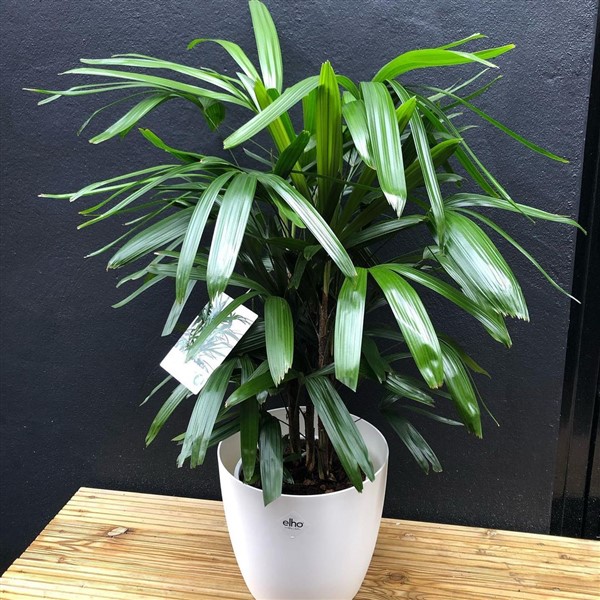
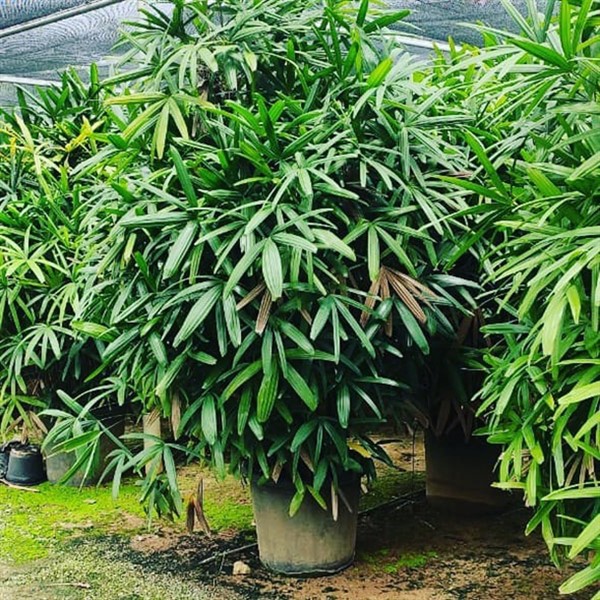
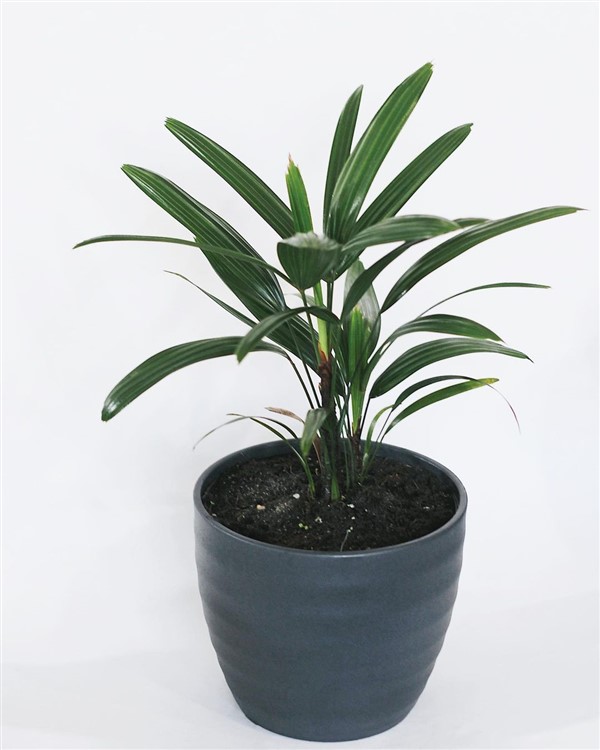
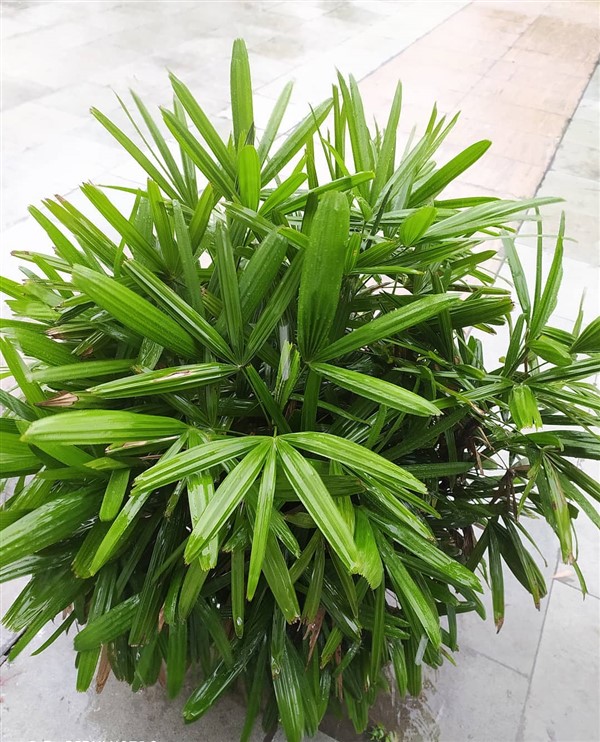
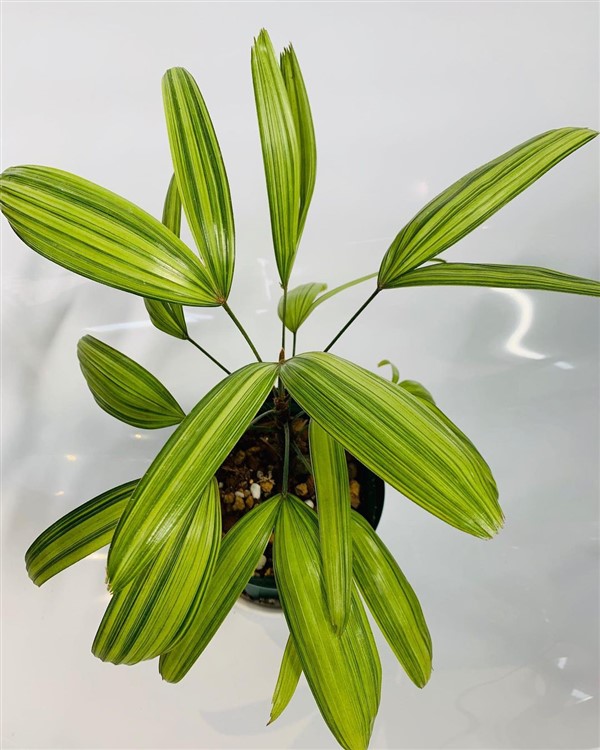
Broadleaf lady palm is a perennial plant that has multiple decumbent stems. Each of the stems develops a cluster of bent broad dark green foliage over time. Provided well-cared, such a houseplant becomes giant that you cannot even see the stems because of crowded green leaves. The leaves of the lady palm plants never change their color year-round like Chinese evergreen. Also, it blooms yellow at the top of the plant in the spring months. Above all, it gives small white fruits if the fertilizers are used properly on its time. Given the height of this plant, it reaches 6-15 ft (2-4,5 m). Broadleaf lady palm isn’t a poisonous plant just like the Boston Fern plant. Therefore, it doesn’t pose any risk for your kids and pets in case of ingestion.

images via: jongkuk
How to Care for Rhapis Excelsa
Sunlight
Direct sunlight exposure all day long gives damage to Rhapis excelsa. In full shade spots, less than 2 hours of direct sunlight won’t be a problem. On the other hand, it could take 2-6 hours of direct sunlight in partial shady spots.
Watering
The general rule is to remain the soil humid rather than soggy or dry. For that reason, weekly regular watering meets its water need. But there is an exception to this rule because the plant becomes dormant in winter. So, this plant needs less amount water than usual in its rest time. Also, abstain from overwatering.
Humidity
Due to being a subtropical houseplant, the Rhapis excelsa likes the low humidity. Places with 50% humidity can be a great spot for it.
Temperature
The optimal temperature for Broadleaf lady palm shows the range between 50°F-59°F (10°C-15°C). Also, it can resist down to 23°F (-5°C) as can resist the drought. But yet, take measures for any cold injury and heat exposure. According to the USDA map, 9-11 regions are appropriate for the ideal growth.
Soil Type
The potting soils for Rhapis excelsa should be quite fertile. Specifically, The potting soils containing humus are more preferred. For instance, loamy soils have a significant effect on in particular this plant development. Specifically, the potting mixes with organic matter abundant selling in the markets are also effective on plant growth. Apart from that, the soil should be well-drained and well ventilated.
Planter Type
A bushy look of this plant fit planters such as painted terracotta pots in general. But people who grow any long-type of this plant usually prefer ceramic planters.
Fertilizer
The fertilizer should be used in its growing season (The midst spring-The end of the summer). For example, the liquid one rarefied to half-strength should be given monthly.
Propagation
For effective propagation, there are two main methods. One of them is division. By dividing into clumps, and also cutting foliages to give all energy to roots, they are put separately in each pot. Another method is seed starting. Its germination takes a lot of time. Starting from seed takes practically 10 years. But warm settings could fast its germination process.
Repotting
Once a year in the spring months, repotting requires. The bigger pot or containers works best. Before putting the plant, remove the root balls. As long as you don’t give damage to the plant, there won’t be any problem.
images via: Sykes Florist
Common Problems
Sunburns
This problem stems from direct sunlight exposure all day long. It decreases the chlorophyll level in plants. In the end, the leaves look chlorotic.
Black leaf tips
There are several reasons for occurring this problem. It would be an indication of high stress. Lack of moisture in the potting soil could be another reason.
Discolored lower leaves
Overwatering and nutrient deficiency are the main reason for this problem. It causes decreasing the chlorophyll level in plants.
Salty soil
Over-fertilizing leads to this problem in general.
Suggestions for problems
Treating sunburn needs regular watering. Apply seaweed solution to Rhapis excelsa once a week to get a precise and effective outcome. For the black leaf tips problem, cut the black tips and keep on its regular care. For discoloration of lower leaves, cut them go on its regular care.
Suggestions for beginners
Having been neglected too much time, Broadleaf Lady Palm’s foliage magnets dust. Too much dust may clog up pores of leaves. For that reason, clean its leaves from dust monthly with a damp cloth.
images via: Garden life Nursery
images via: Jessica
images via: Kierslyn

images via: Ashley

images via: Mamiko
images via: Crystal drop
images via: Tokyo Green Valley