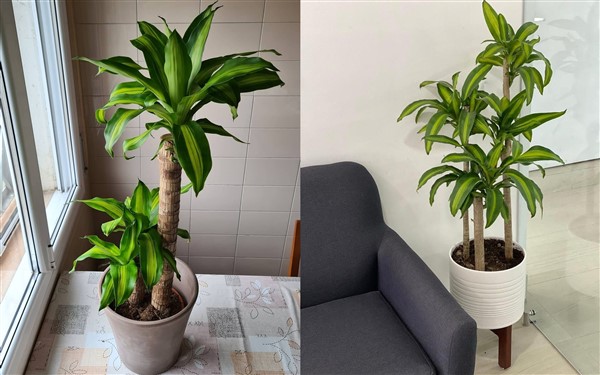
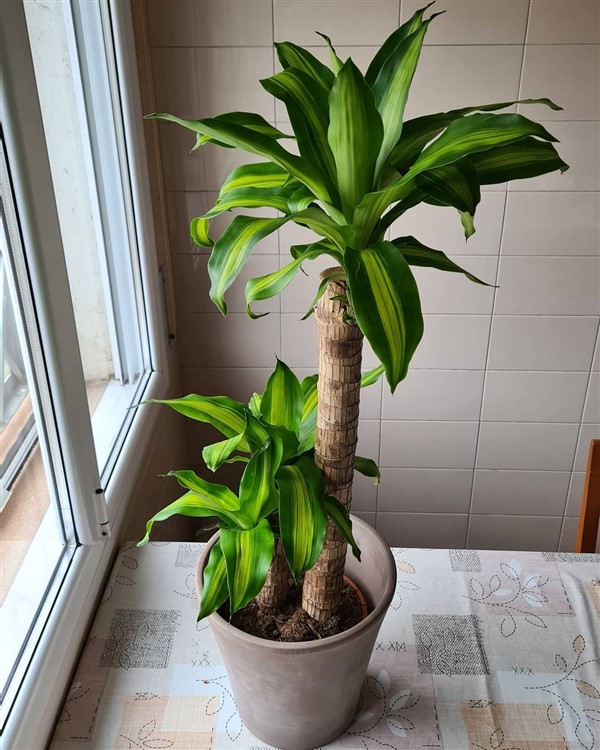
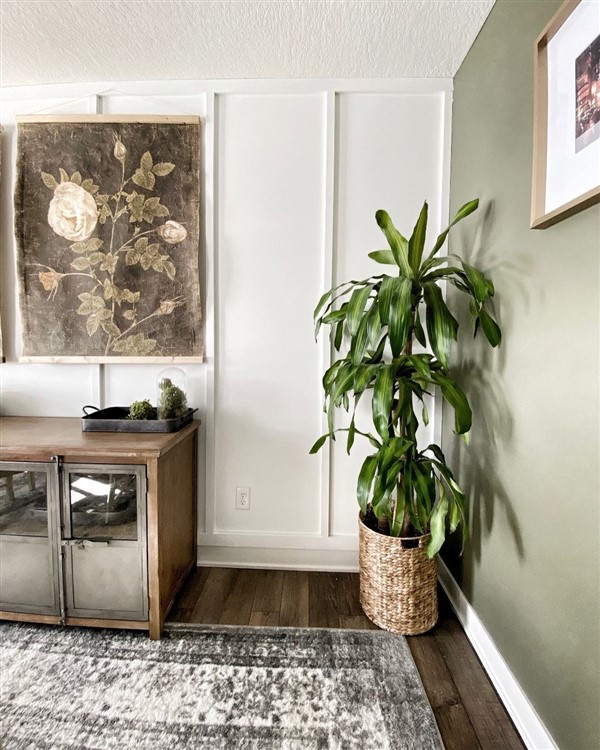
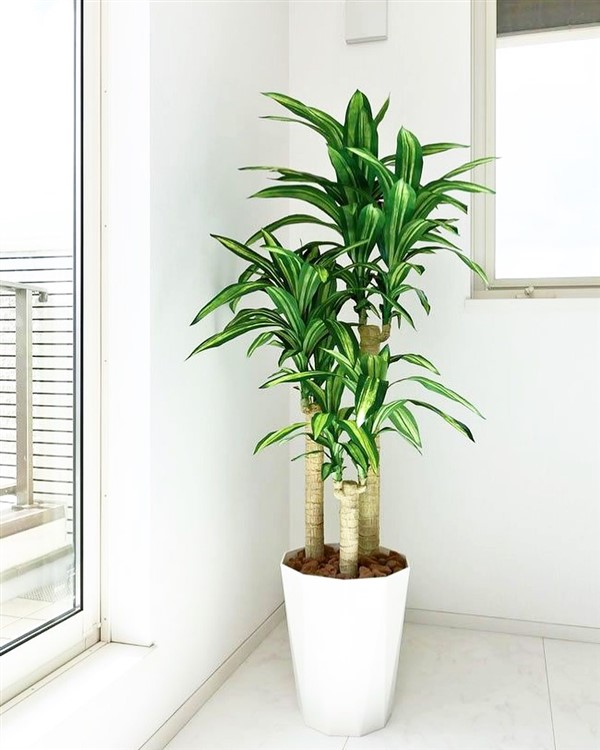
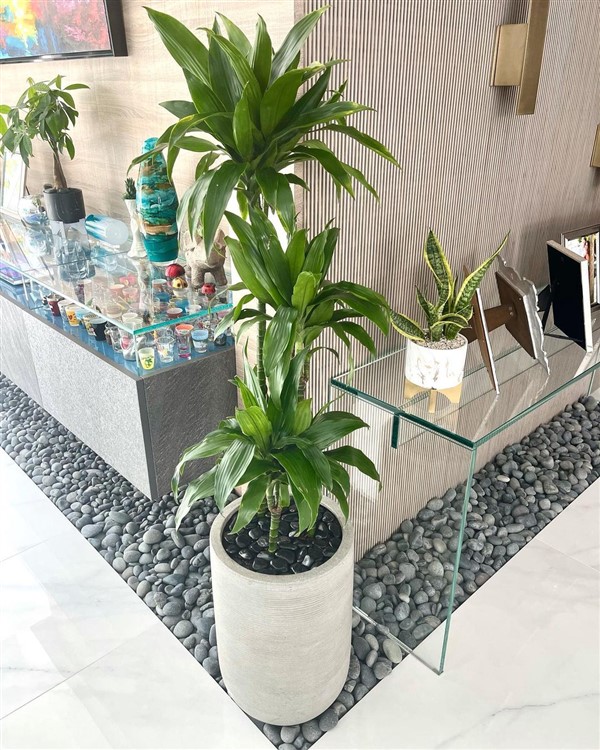
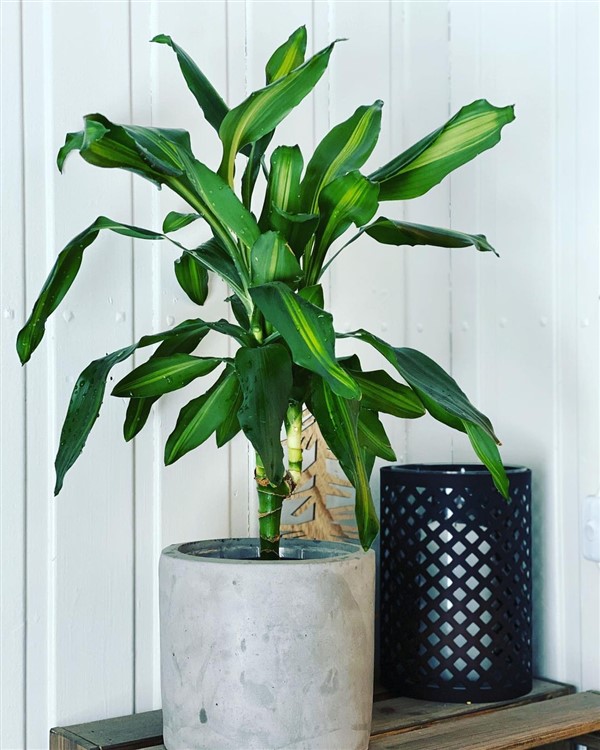
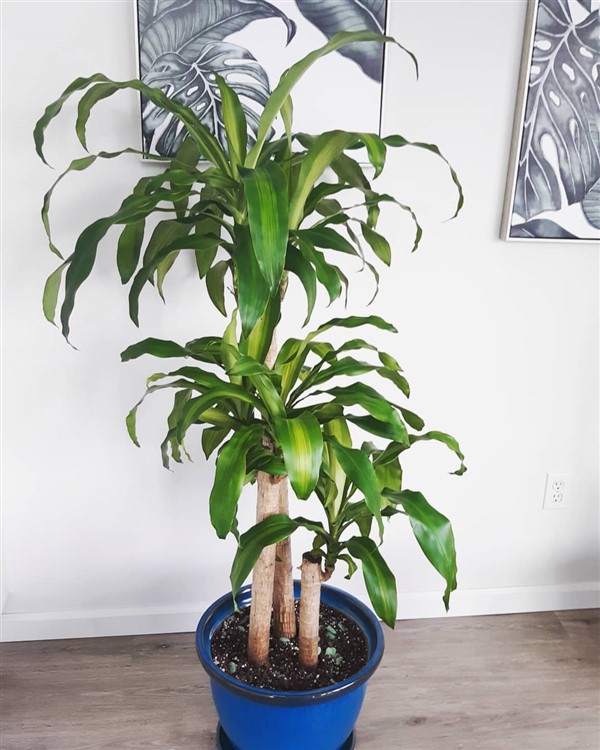
The striking similarity with corn stalks, a Corn plant has a significant role in sprucing up many spaces. As a focal point plant, it has catchy names such as striped dracaena, cornstalk dracaena, compact dracaena, bottle tree, false palm, and masale. Also, its scientific name is Dracaena fragrans. Mostly like humid climates, growing in high altitudes, the Corn plant is native to the tropic regions of Africa.



images via: Beth
General Information
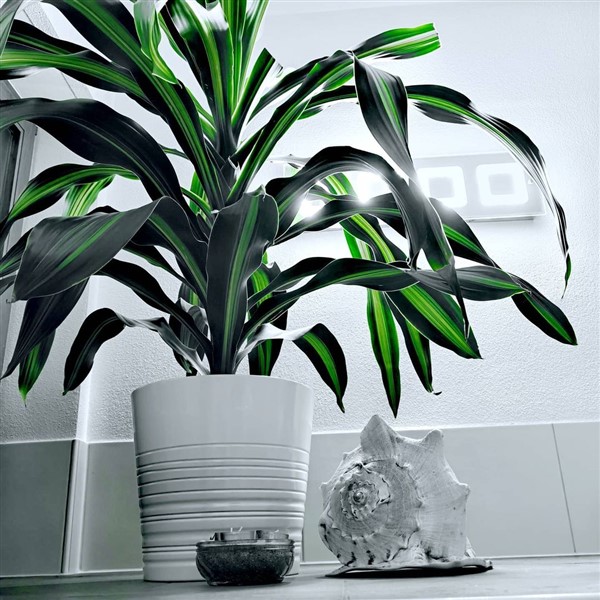
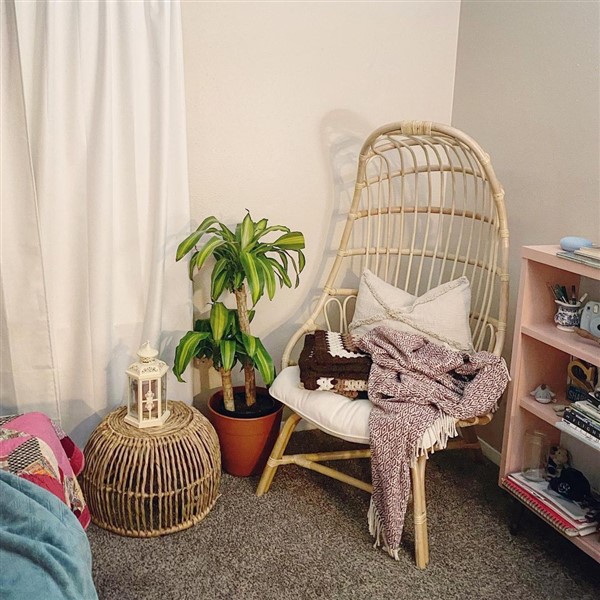
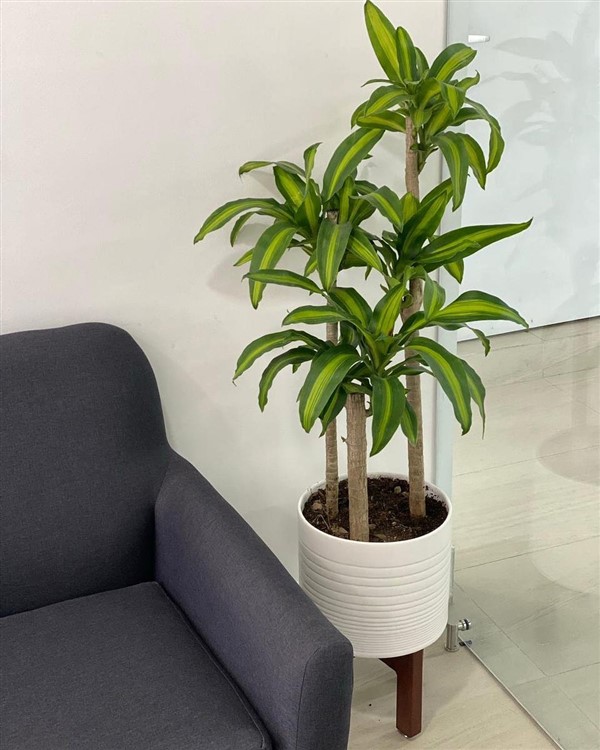
Corn plant generally has a flat, broad, pointy tip, bright variegated green foliage, and thick woody separated and looking upward stems. The large leaves are arching-look due to their weight whereas the small ones are more erected. Also, such plants are evergreen just like Chinese Evergreen. It grows slow due to its perennial plant characteristic. According to its long-term care, it can become a shrub or tree. It blooms white and yellow in summer. However, it does not flower under indoor conditions in general. Above all, it gives red and orange fruits. When it comes to its height, it grows up to 50 ft (15 m) in nature. On the other hand, it becomes at most 7 ft (2 m) under indoor conditions. As a caution, it is nearly as harmful as Madagascar Dragon Tree for pets (dogs & cats).

images via: flawsometwo
How to Care For Dracaena Fragrans
Sunlight: Direct sunlight and warm draft affect the Corn plant awfully. For that reason, it should be positioned in semi-shade spots. Also, it can survive in low light conditions to a certain time.
Watering: The potting soil should be kept moist. But yet it is necessary to mind whether it is soggy or dry. Such plants need bottled water instead of tap water. In its growing season, it demands regular watering. But it needs less water in winter because of being dormant.
Humidity: Due to being a tropic plant, this plant likes humid settings. Besides roughly 50% humidity, it can also live in room conditions with the help of humid-producing means.
Temperature: Ideal temperatures for this plant is between 65°F – 75°F (18°C – 24°C). Also, it can resist down to 51°F (11°C). According to the USDA hardiness zones, such hedge plants grow perfectly in 10-12.
Soil Type: Just like other plants, Dracaena fragrans thrive better with organic matter-rich potting soil. In addition, the potting soil should be well-drained and well-ventilated.
Fertilizer: Liquid fertilizers diluted to half strength works best specifically in its growing season. Feeding it monthly will suffice.
Propagation: Stem cutting and air-layering are great two ways to propagate it. Stem cutting is recommended.
Repotting: In case of heavily damaged pots and overgrown plants, repotting requires immediately. Ordinarily, its change time is in spring. As always, the second pot should be bigger than the current one. For example, if the first pot is an animal planter, the second one must be a pallet planter.
images via: Sanita
Common Problems
Scorch leaves: Dry air and direct sunlight cause this problem.
Yellowish leaves: Less watered plants manifest such problems. Unless a sufficient amount of water doesn’t roam in the plant’s vein. It doesn’t perform its vital functions.
Dropping of foliage: It could stem from its growing spot. In such cases, the stress level of the plant increases. As a result of this, it drops its leaves.
Bug infestation: Scales, aphids, mites can lead to brown speckles on leaves.
Suggestions for problems: For scorch leaves, the plant should stand in sheltered or semi-shade spots. Also, it should get its water within a watering schedule. Likewise scorch leaves, the same rule is valid for yellowish leaves. When it comes to dropping foliage, it is a normal behavior of the Corn plant. It will adapt its place over time. Bug infestation is a serious question. Long neglect could be deadly for such plants. So alcohol-based wipes and insecticidal soaps do great works.
images via: Sharon
images via: plantshopmty

images via: Tasha
images via: David
images via: Sara Nelsen
images via: Toronto Paradise Plants
images via: desert vibes
images via: Ida Løvåsen

images via: favorite cat mom
images via: Karine