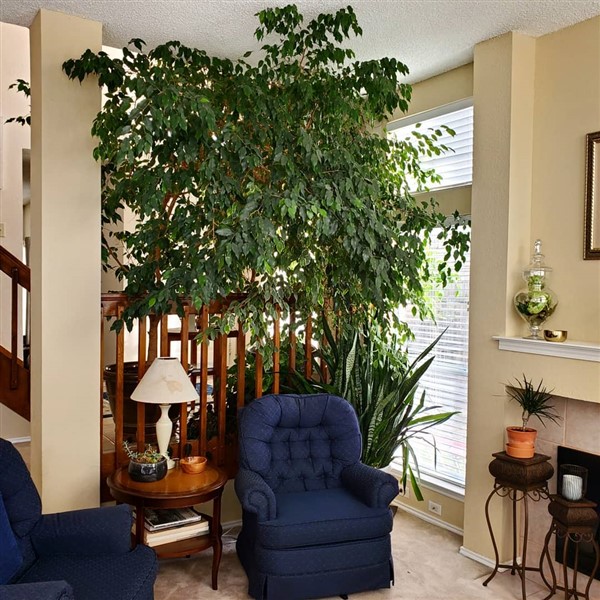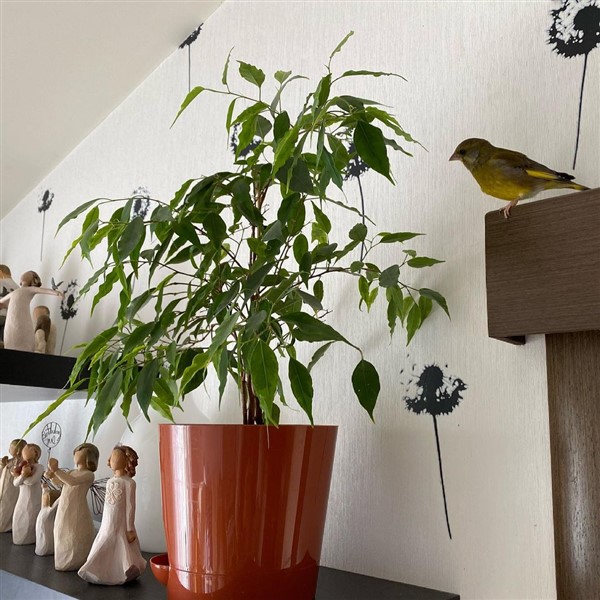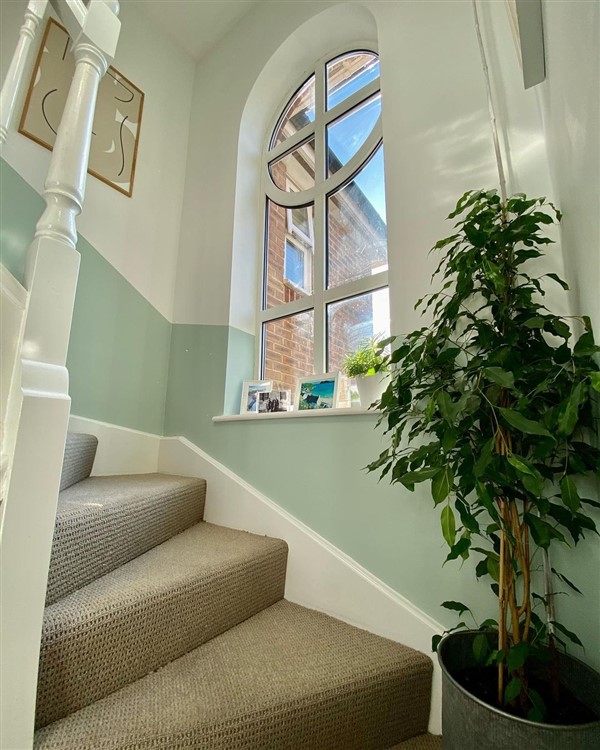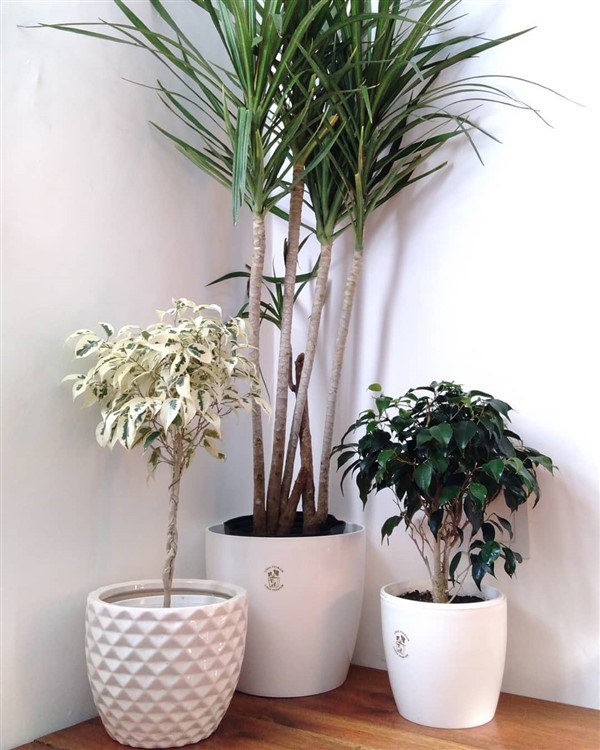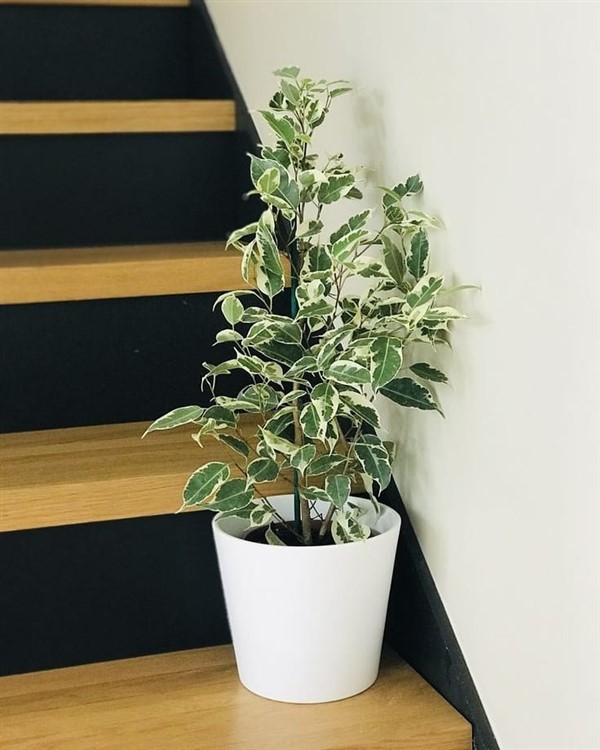
Weeping Fig is a less preferable plant for indoors and balconies. But mostly, it takes up outdoors like gardens, yards, and so on. Usually, it is used as hedges when given a shape by pruning. This houseplant has a few names more such as Benjamin Fig and Ficus Tree. Also, its scientific name is Ficus Benjamina. It is native to the tropical regions of Asia and Australia. But nowadays, it can decorate many spaces thanks to its cultivars. Another striking point is that this plant cleans the air by purging airborne toxins. Moreover, Whale Fin Snake and Song of India share the same feature with this tree-like plant.


General Information
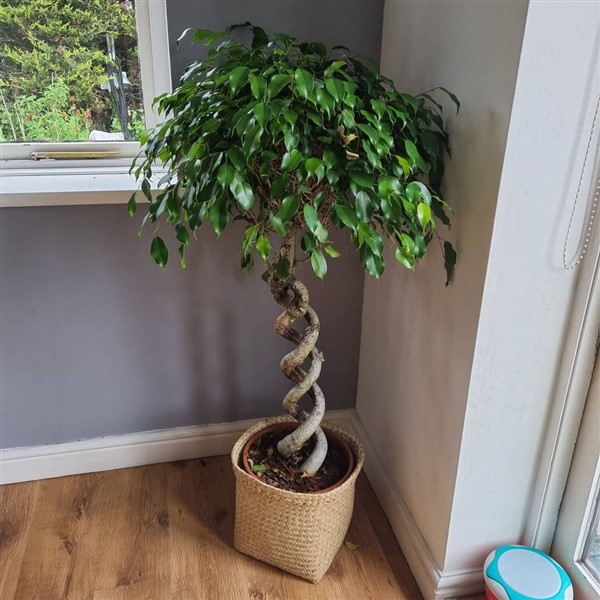
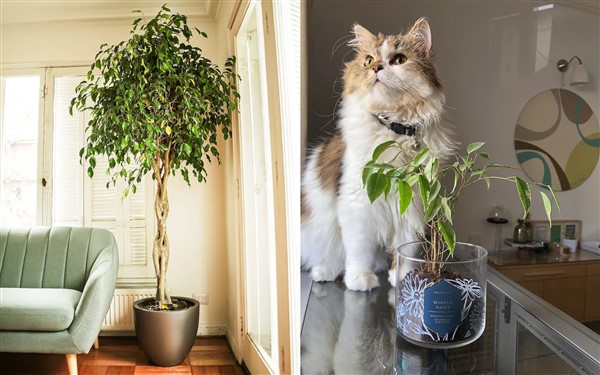
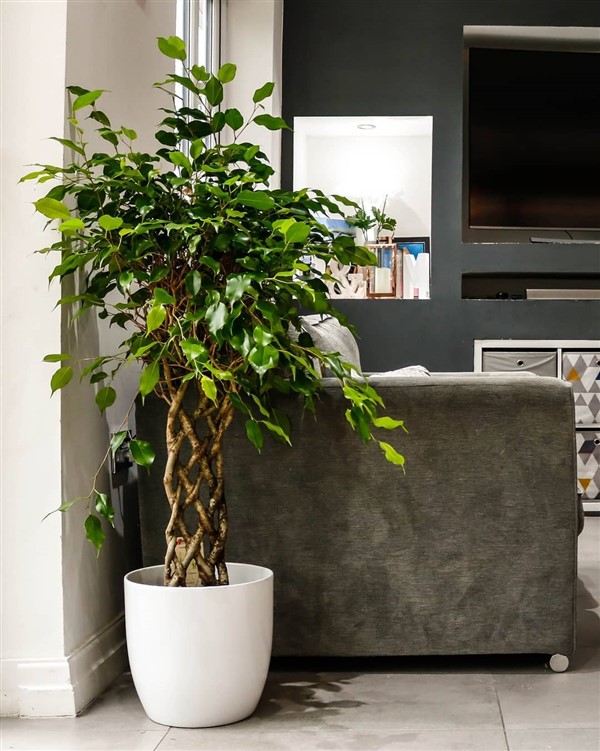
Weeping fig is a shapable flowering plant, and typically has a few wooden trunks growing upwards, with pointed, glossy, variegated green leaves. Plus, trunks of this tree-like plant can be braided with fine work. This way, it is possible to acquire a decorative plant. This plant has an oval and whitish-green flower, and it blooms in spring. Also, this plant has an edible fruit that doesn’t develop easily indoors. Its length could reach up to 3 – 6 ft (1 – 2 m) indoors and 60 ft (18 m) outdoors. Just like Rattlesnake and Sago Palm, it is a perennial plant. As a note, it is a poisonous plant. It could affect pets and even adults when ingested.
How to Care for Ficus benjamina
Sunlight: As usual, direct sunlight leads to brown leaf tips and edges. Due to being a fussy plant, it should get filtered and fixed-level sunlight. Specifically, the sudden light change affects its leaves. Also, this tree-like plant picks locations. For that reason, you should arrange the ideal location immediately.
Watering: This houseplant needs weekly watering in its growing season. As a general rule, check the potting soil with your thumb. If moist, no need to top up water. In winter, you should reduce its inputs due to resting in these times.
Humidity: Medium humidity is okay for this houseplant. But it starts developing aerial roots with high humidity. To ensure more humidity, you may use automated humidifiers, wet trays, and water sprays.
Temperature: The ideal temperature range for Weeping Fig is 75F – 85F. Sudden weather fluctuations and cold drafts could kill the plant. Also, extremely high temperatures scorch the plant. According to the USDA plant hardiness map, this houseplant grows better in zones 10 – 11.
Soil Type: All types of potting mixes are beneficial for this tree-like plant. But this plant needs porous soils a lot. Because evacuating the excess water from the drainage holes are vital for the plant’s health. With enough drainage holes from the bottom of the pot, breathable soils would suffice for proper drainage.
Fertilizer: There are a few fertilizer types such as granular, water-soluble, slow-releasing, quick-releasing, and so forth. But for this houseplant, you may apply water-soluble or fertilizers diluted to half-strength once two weeks.
Propagation: The most common propagation way is stem cuttings. Cut a stem with three leaves at least. Propagate it in soil or water. Besides that, you can multiply this plant by air layering.
Repotting: The outgrown plant needs bigger pots. So you can take 2 inches (6 cm) larger pot than the existing pot. The spring months are appropriate times such a transfer. In doing so, you should also mind the roots. I mean, water the plant the day before that it doesn’t experience any transplant shock.

Common Problems
Leaf dropping: It stems from a few common problems overwatering, underwatering, dry and poor conditions, environmental stress, and so on. Also, it could be seasonal.
Brown tipped plant: This problem emerges when long hours of direct sunlight fall upon the plant.
Pest infestation: Aphids, mites, mealybugs, thrips, whiteflies, and so on emerge due to poor and dry conditions. Also, ignoring fastens the problems occurring.
Suggestions for problems
Except for seasonal reasons, you can prevent leaf dropping. Choosing the correct spot for this houseplant is the hard part. Because the plant in question is quite fussy and moving it little can cause its leaves to fall. Once you put it in the correct spot, you prevent the risk of dropping leaves in a sense. Apart from that, the brown-tipped plant can’t display its beauty truly. So then cut all brown parts and go on its regular care. Pest-invaded plants cannot survive when not intervened correctly. For that reason, you can use herbal oils, pesticide soaps, and alcohol-based wipes.