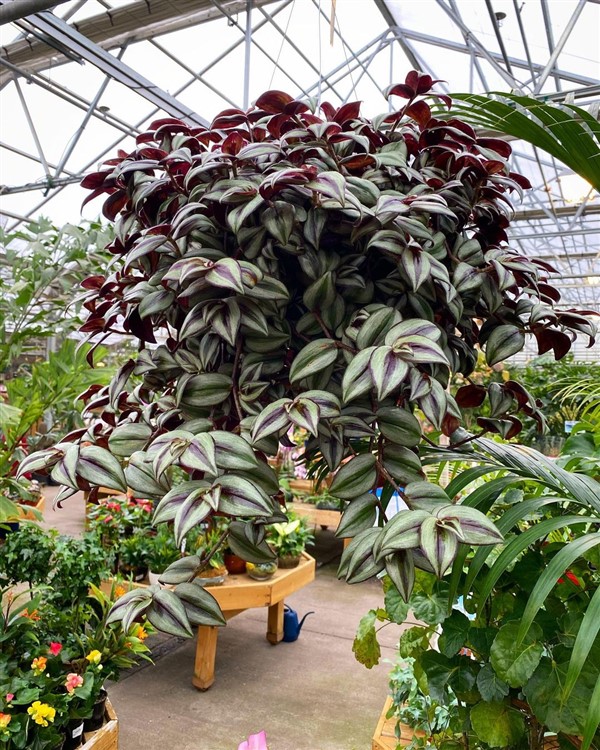
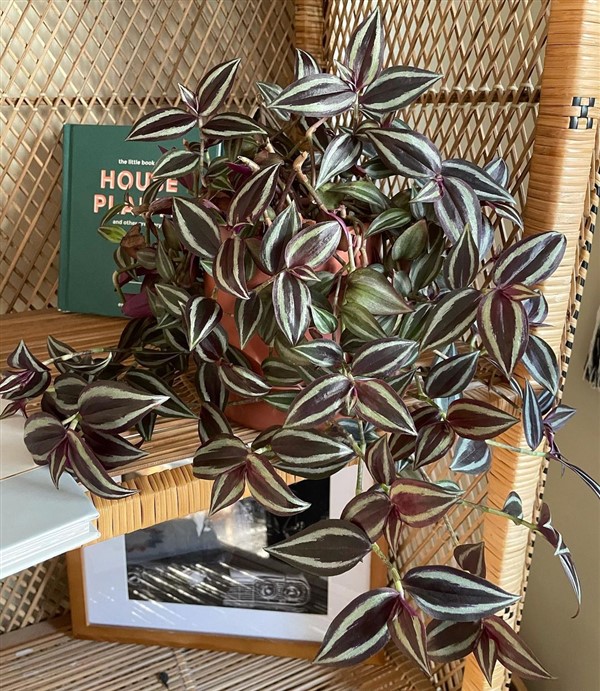
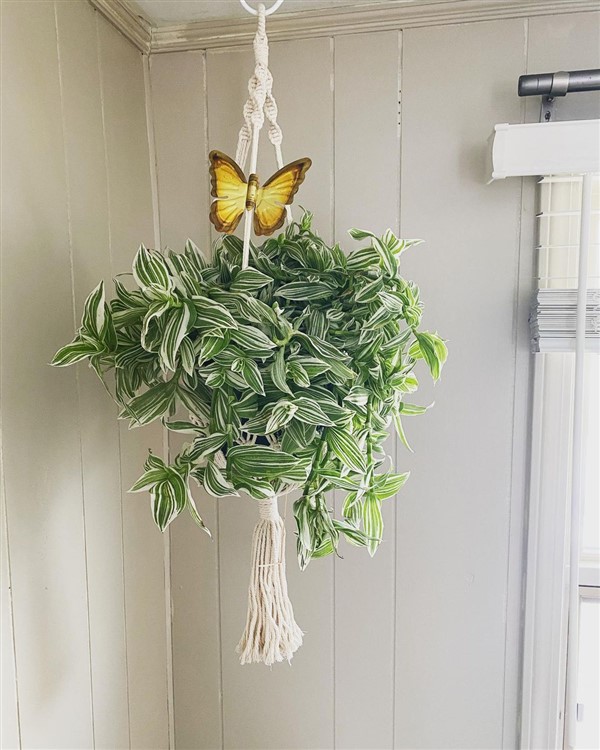
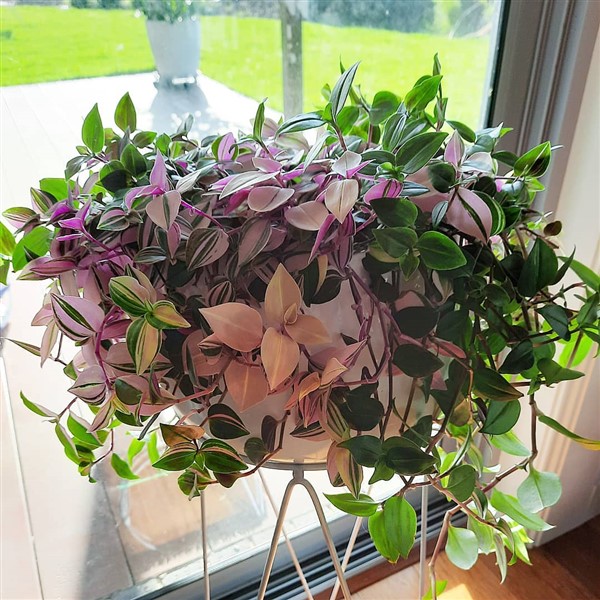
Bringing South America’s breeze into both outdoors and indoors, Wandering jew is one of the plants that are mostly preferred by newbies. This houseplant is also commonly called “inch plant” because its leaf node is an inch in length. Apart from these names, it has different names such as Zebrina Pendula, Tradescantia fluminensis, Wandering Dude, and Spider Wort. On top of that, its scientific name is Tradescantia Zebrina. As for its natural environment, this plant usually grows in Central and South America’s countries, for example, Mexico, Guatemala, Colombia.


General Information
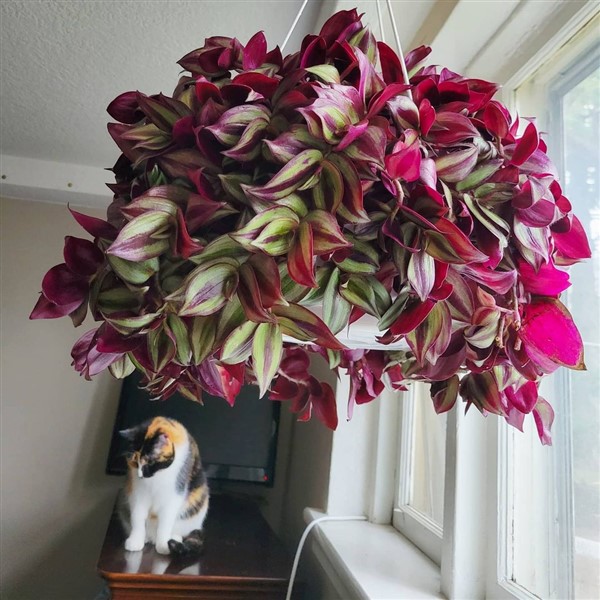
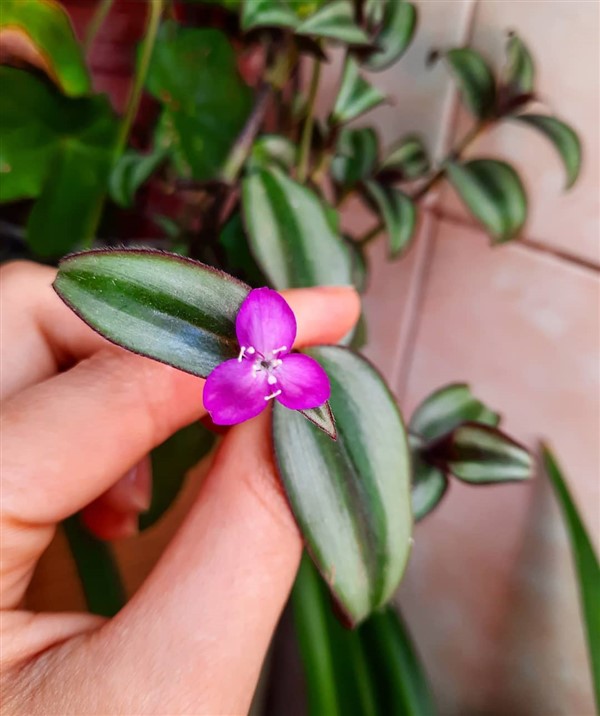
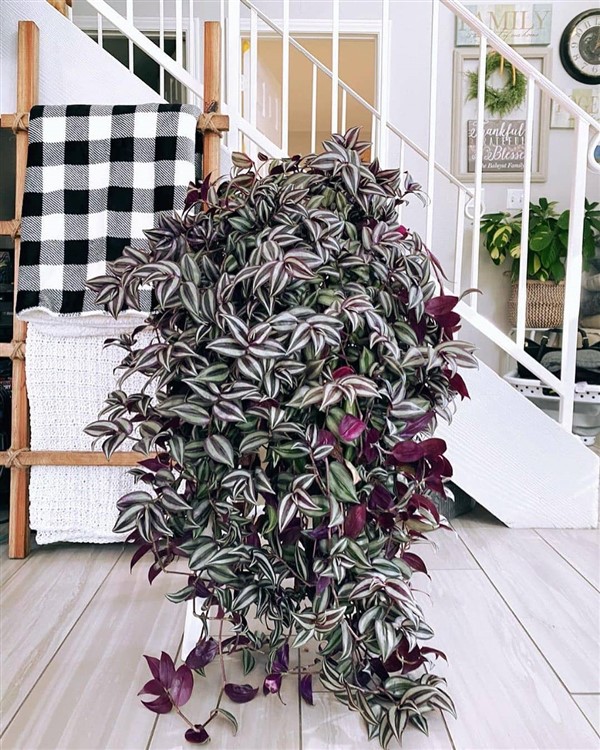
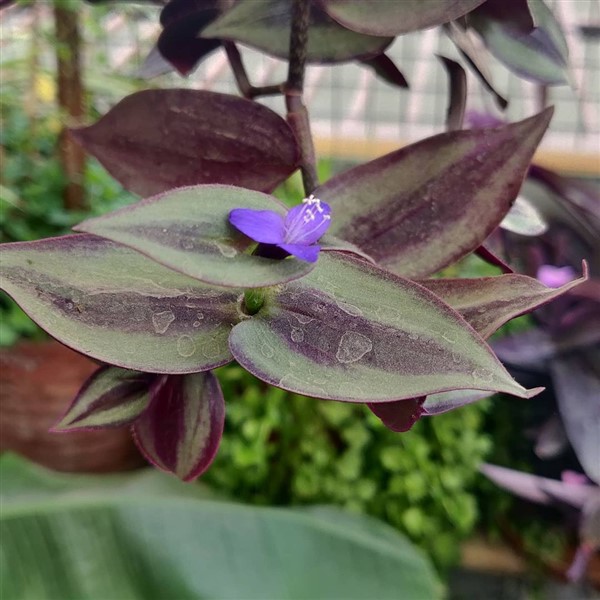
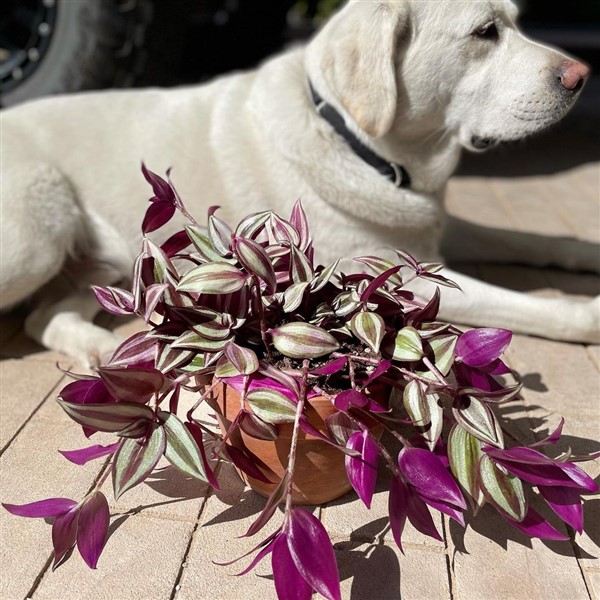
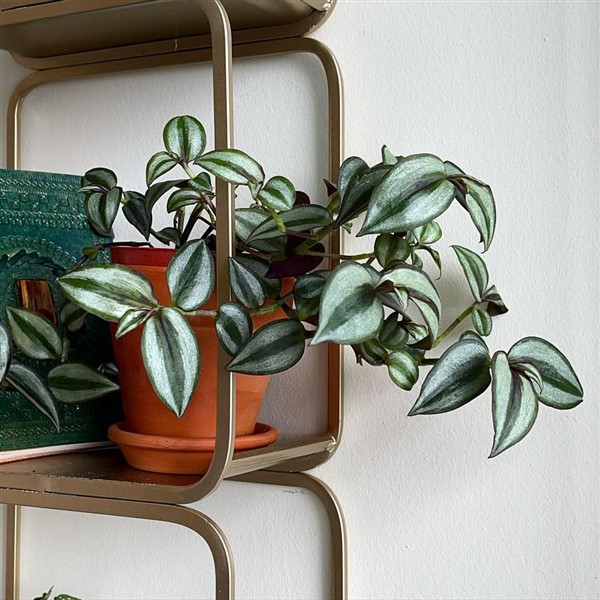
Wandering Jew typically has to creep herbaceous stems and the variegated foliage whose middle strips’ color matches with outer edges. Leaf color keep changing green, purple, pink, and rarely white according to its cultivar. Generally, the underside of its leaf is purple like Rose Painted Calathea. As for its flowering, it blooms magenta, with white stamens in spring. In terms of lifespan, it is perennial like Croton Plant. When it comes to its length, its size could reach up to 6 – 9 inches (15 – 23 cm) indoors but 6 ft (2 m) outdoors. According to different sources on the internet, this plant’s toxicity is vague. For that reason, calling it a poisonous plant will not be in place. But yet you should be cautious about the possible effect of this houseplant on pets.
How to Care for Tradescantia zebrina
Sunlight
Wandering Jew prefers bright and indirect sunlight. Specifically, south-facing window sills are an appropriate spot for this fast-growing plant.
Watering
In its growing season, the potting soil should be kept moist. To top up water the plant, As a general rule, insert your thumb into the soil. If dry, water it. If not, wait a couple of days more. In winter, water sparingly the plant and reduce all other inputs. Because it goes dormant in these times.
Humidity
Average humidity in the room conditions would suffice for this plant. To increase indoor humidity levels, you could use water sprays, electronic humidifiers, and wet pebble trays.
Temperature
The best temperature range for this houseplant is 60°F – 75°F. Below 50°F (10°C) may pose a threat to this flowering plant. Also, it is weak against sudden temperature drops, cold drafts, and frost hits. For that, you should keep it a certain heat degree. According to the USDA plant hardiness map, it can grow more comfortably in zones 9 – 11.
Soil Type
This houseplant isn’t picky about soil types. Provided drainage holes and porous soil, it would thrive with a sufficient amount of inputs.
Planter Type
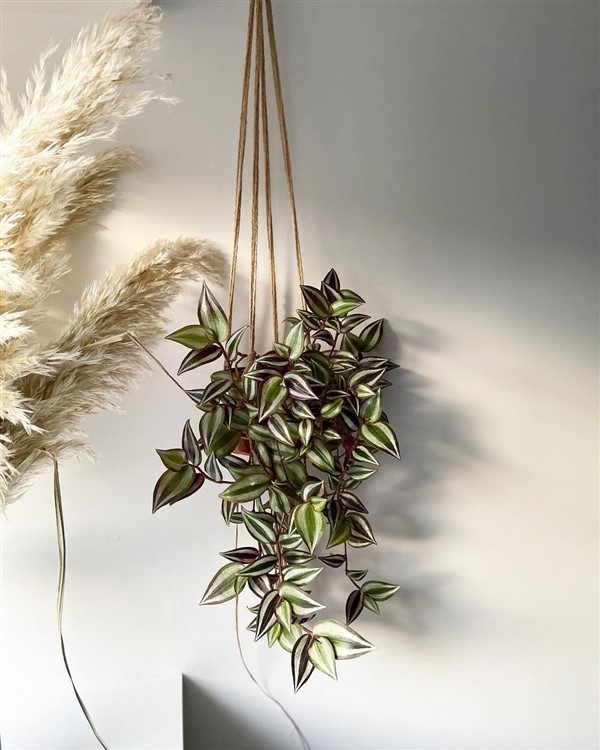
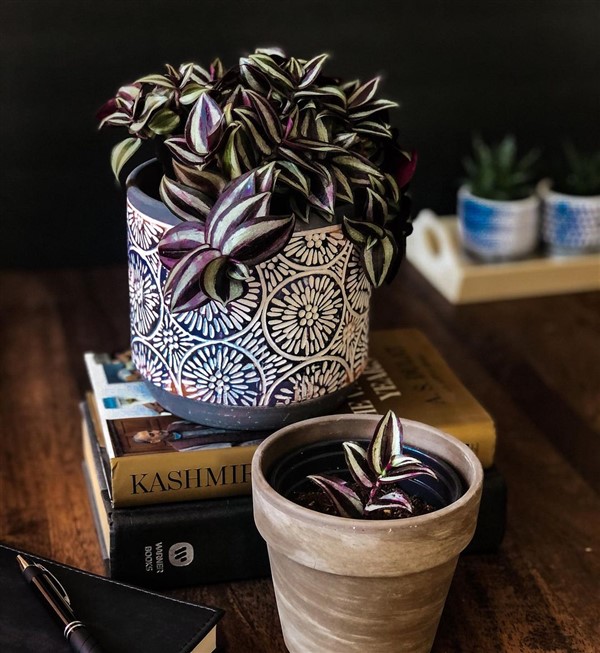
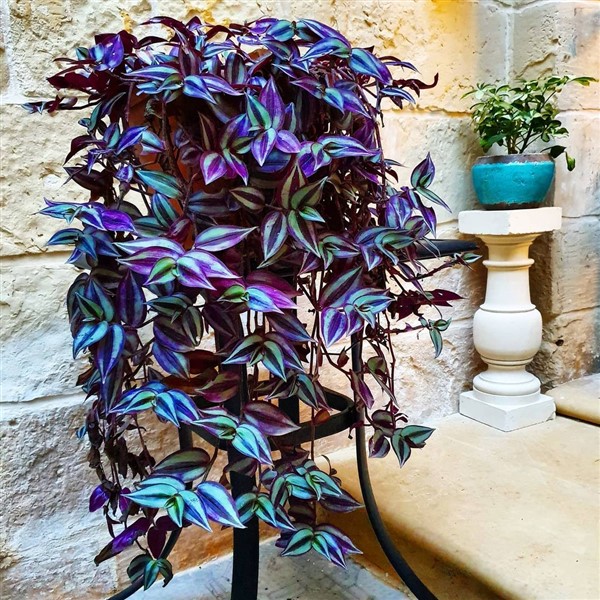
This houseplant could be kept either bushy or ivy-type. That’s why there is a lot of options to select the most fitting planter. For example, for bushy plants, you may prefer small pots to show leaves more. On the other hand, for plants with creeping stems, you may get hanging basket planters.
Fertilizer
Water-soluble or diluted to half-strength fertilizers would work if administered monthly.
Propagation
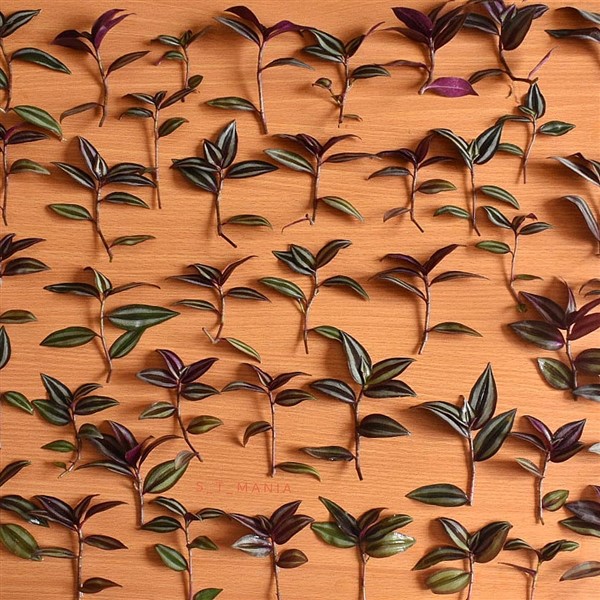
The most common propagation way, cutting stems is quite effective among other ways. Cut at least 2 inches (6 cm) stem with 4 – 5 leaves. Leave these stems either in the soil or in the water. After it starts rooting, you can plant it in a pot.
Repotting
Repot it every two years in spring. The next pot should be at least 2 inches (6 cm) larger than the current pot. In certain cases, for example, roots that tangled each other due to lack of space in a pot require repotting. Meanwhile, you can select hanging basket planters for such plants.
Common Problems
Root rot: Such problems stem from overwatering, and stagnant water in the potting soil in general. Too much water drowns the roots. Also, it is one of the most common problems with which newbies are confronted.
Loss variegation: An insufficient amount of sunlight causes this problem in general. In such cases, the plant loses its beauty and charm.
Pest infestation: Whiteflies, thrips, mealybugs, aphids, and so on destroy the plant when ignored long term.
Suggestions for problems
As noted above, the optimal watering frequent for this flowering plant is checking the soil with the thumb. If dry, you should water it. Also, mind the care condition in winter. Loss variegation is a clear sign that everything is going bad. To avoid such situations, you should find a better spot for this houseplant. Pest-infested plants are a big deal. To prevent such tiny creatures, you can use purple fluorescent tubes, herbal oils, and pesticide soaps.
Suggestions for beginners
Leaves of the plant draw dust unless they get cleaned with a damp cloth. Due to too much dust on leaves, the plant can’t get the vital light from the sun. In the end, it can’t function photosynthesis. And therefore, it dies soon.