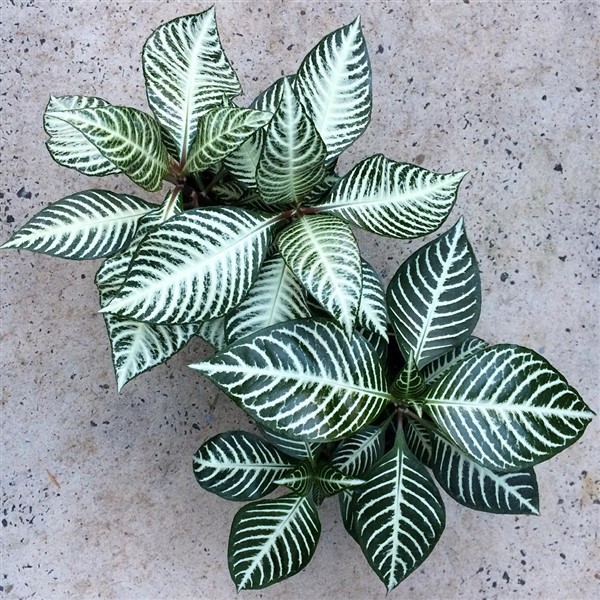
The zebra plant, which is known for its dark green leaves with white-colored veins and beautiful yellow flowers, is one of the pickiest houseplants. It is a perfect option for indoor gardening if you know the correct tips.


General Information
Aphelandra squarrosa, also known as the zebra plant, is a tropical plant and a member of the Acanthaceae family. It is originally from Brazil. Usually grown indoors, this plant has dark, glossy leaves with distinctive white veins hence the name “zebra plant”. It is a beautiful plant but it gets more attractive when it blooms! As a grower, you can expect flowers after summer. The yellow or orange flowers, grow cone-shaped at the ends of a stalk with miniature flowers that grow out of the bract, similar to the other bract-type flower heads. The bract lasts for almost 2 months and the flowers that grow from the bract last for about a week. These mini flowers can grow up to 4 inches or 10 cm.
The zebra plant is a jungle plant so in its natural habitat, it acts as a climbing plant. However, in containers, it approximately gets 2 feet or 60 cm tall. It can live for one to several years in a home environment, or indefinitely if grown from rooted cuttings. According to the ASPCA, this plant is non-toxic to pets and humans but it can irritate the mouth or paws of the pets. For humans, it can irritate the skin so while pruning you better wear gloves!
How to Care for Aphelandra squarrosa
Sunlight: A zebra plant thrives in bright, but not direct sunlight. While it can withstand some shade, it will flower less frequently and for a shorter period of time if not given enough light. Direct sunshine might scorch your plant’s leaves, so you better keep that in mind!
Watering: This plant can be a little challenging to keep alive since they are sensitive to over and under-watering. Too much or too little water may cause its leaves to fall off. Keep the soil moist, not wet, and be on the lookout throughout the busy growing season. Allow the soil to dry out a little between waterings throughout the winter months. A barely-moist climate is good for the cooler months. Use filtered water that is just above room temperature for optimal results. This simulates the temperature of a tropical rainstorm.
Humidity: This houseplant is crazy for humidity because of its nature! They prefer slightly higher humidity, around 60-70%, than many other houseplants. Therefore, you might need to artificially enhance the humidity level by putting the plant in a humidity tray with pebbles or using a humidifier. A zebra plant will not be pleased with low humidity in an artificially heated area throughout the winter.
Temperature: The ideal temperature for your plant is between 65 to 80 degrees Fahrenheit or 15 to 27 degrees Celcius. Thankfully this coincides with the ideal indoor temperature range, so you will be fine! Still, do not let your plant spend a long time in temperature below 55 ºF, which equals 13 ºC. Low temperature may cause damage to its foliage.
Soil Type: This plant will flourish in neutral to acidic soil. It likes rich soil both retain water and drain well. Most multi-purpose potting soil mixes are great for it.
Fertilizer: You can feed your plant with a balanced fertilizer every one to two weeks during its growing seasons, which are spring and summer.
Propagation: Propagating a zebra plant is simple and can be done by air layering or stem cuttings. Temperature is also important during the propagation process, so make sure the temperature is about the ideal room temperature, which is around 70 °F or 21 °C.

Common Problems
Leaves wilting or dropping: Multiple conditions such as dry soil, too much cold air, cold winds, or even too much sunlight could all be contributing factors.
Leaves beginning to curl or becoming crinkled: Too much light may cause this problem. This is the most common in situations where your plant is exposed to too much direct sunlight.
Leaf tips turning brown: Low humidity or dry potting mix may cause the leaf tips to turn brown.
Pests: Pests like whiteflies, aphids or fungus gnats may also infect your plant.
Suggestions for problems
For leaf-drop, you should change the location of the plant or rule out some of the probable causes that aren’t likely to be the cause and change the settings to rectify the possible causes. Doing heavy watering once a month can avoid the wilting of the tips. Just make sure that the planter has drainage for water to drain off.
For curled leaves, move your plant to a shadier place. This helps the plant to recover.
Since brown tips of the leaves are caused by low humidity, you should try misting them. Misting your tropical houseplants is a very simple and effective way.
Insecticidal soaps or sticky traps are good to solve most pest problems. However, the traps help with the adult pests. Therefore to get rid of the larvae, you can use a soil drench with neem oil.