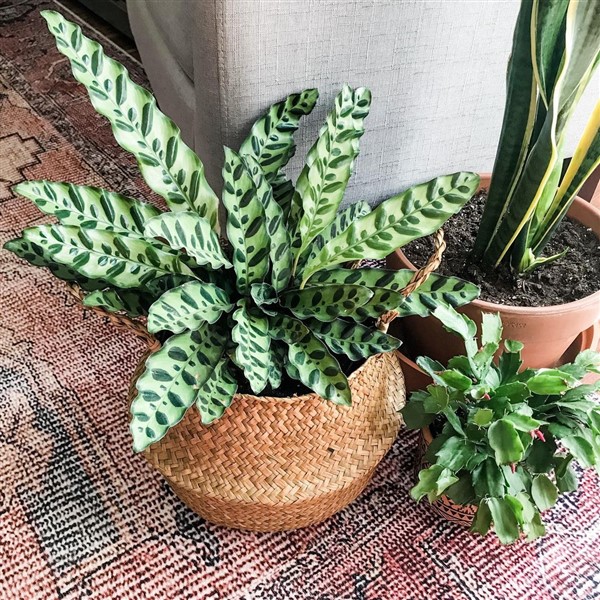
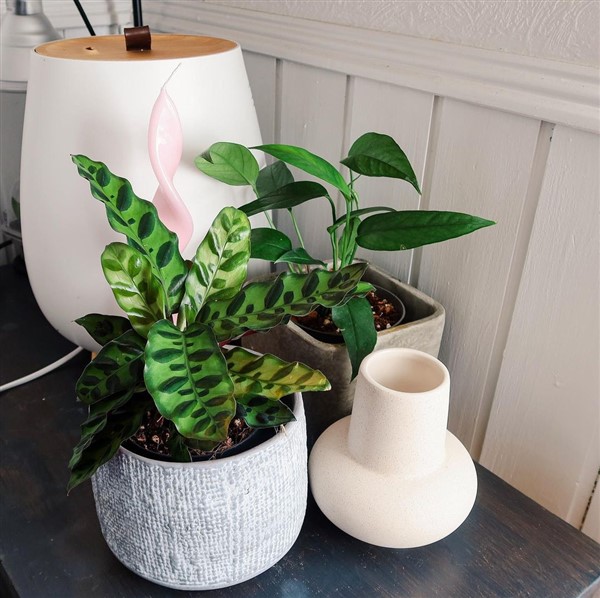
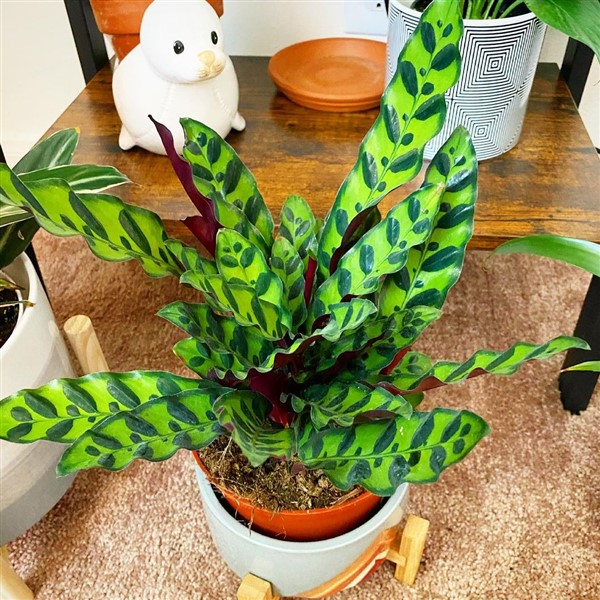
Rattlesnake Plant is one of the glamorous plant species. It brings the tropic breeze from afar to indoors. But put aside its decorative aspect, this flowering plant holds a crucial place in the botanic kingdom. Precisely, this plant has various domestic names changing from village to village. But also being known as C. Insignis, this plant’s scientific name is Calathea lancifolia. Rattlesnake plant liking warm originally inhabits in Brazil. And this makes it one of the gorgeous tropic plants just like Green Velvet Alocasia.


General Information
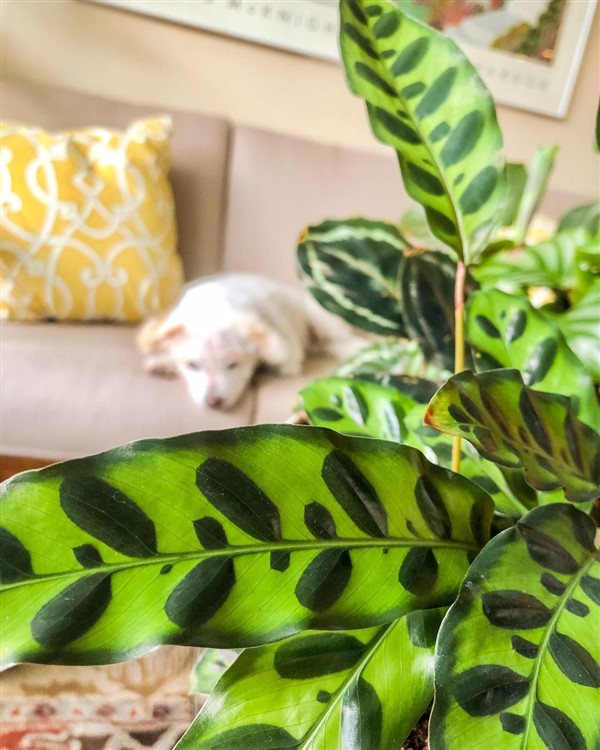
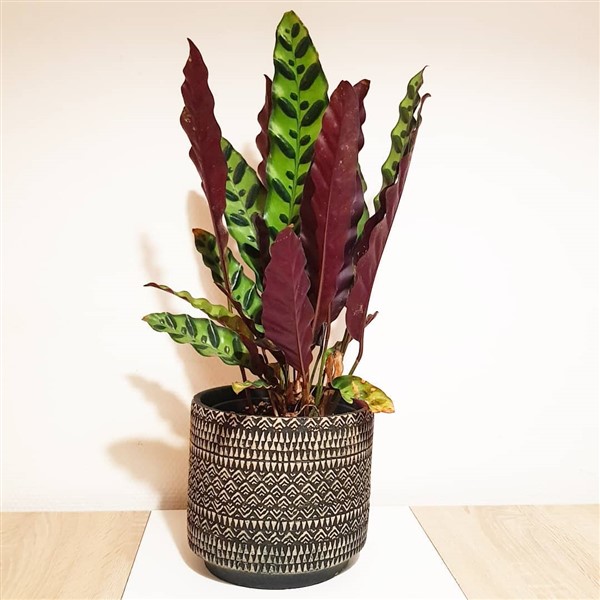
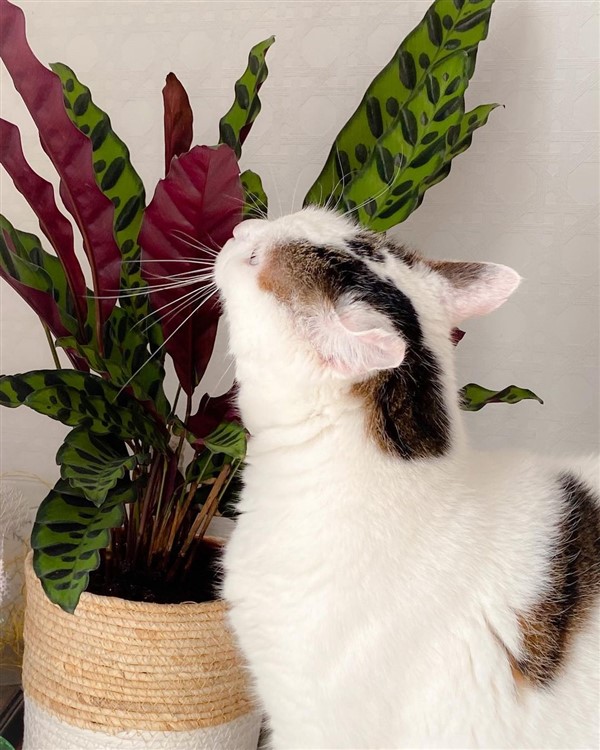
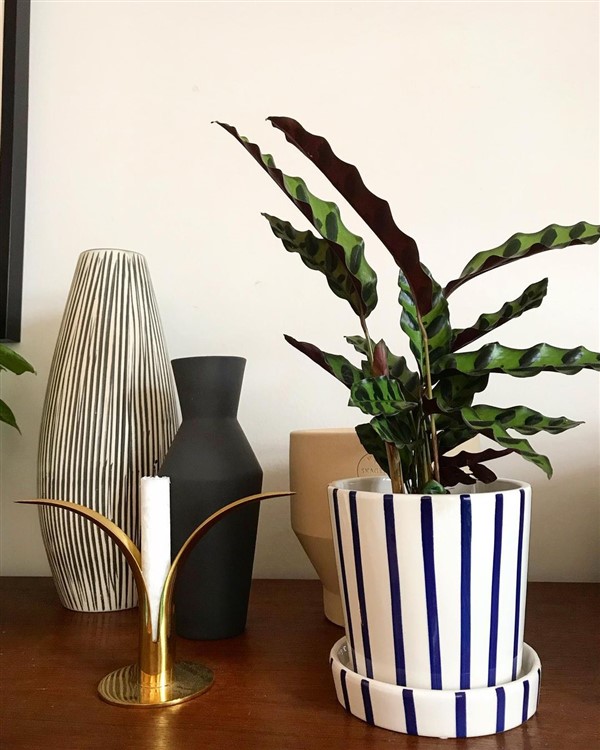
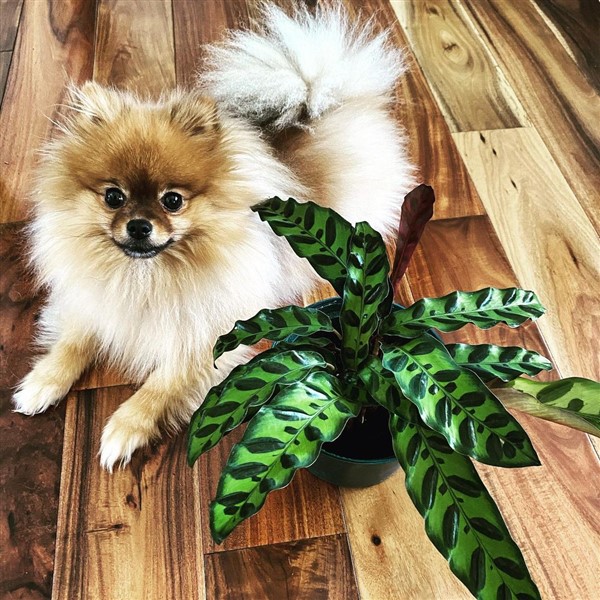
Rattlesnake Plant generally features looking-upward herbaceous stems carrying bread-shaped foliage with curvy dark green edges and dark green leaf patterns. What’s more beautiful, its lower leaf becomes purplish over time. Also, it is an evergreen perennial plant just like Chinese Evergreen. Besides, it displays the characteristic of a prayer plant such as Pin Stripe Calathea. As for flowering, it blooms yellow in summer in nature. Unluckily, it rarely blooms under indoor conditions. According to growing conditions, its dimension can change. For example, its tall can reach up to 28 inches (70 cm) at most. Above all, Rattlesnake Plant is safe for pets in terms of whether having toxicity.

How to Care for Calathea Lancifolia
Sunlight: Direct sunlight for more than 2 hours gradually scorches the foliage. Instead, semi-shade locations taking filtered sunlight ensures Calathea lancifolia better thrive. Also, keep that in mind that less or over sunlight harm the plant.
Watering: If the first inches of the topsoil is dry, it directly manifests the watering need. So weekly thoroughly watering meets this need. Also, overwatering and underwatering could kill the plant. Meanwhile, this plant is dormant in the winter months. For that reason, it demands sparingly watering.
Humidity: Being a tropic plant, Rattlesnake Plant likes high humidity. Increasing the humidity indoors, electronic humidifiers, wet pebble trays, and water spray (misting) could be useful.
Temperature: The optimal temperature range is 60F-80F (15C-26C). Also, cold drafts and subzero temperatures affect this plant badly. According to the USDA plant hardiness map, 11-12 zones are ideal to have this plant grown.
Soil Type: The loamy soil is a good choice for this plant. Also, the soil should be rich in terms of organic material, some of which are perlite, peat moss, vermiculite. Besides, the soil should be well-ventilated and well-drained. Specifically, if you use a terracotta pot, keep in mind, it absorbs moisture quickly.
Fertilizer: Rather than granular fertilizers, balanced water-soluble fertilizers work best in general. Particularly, this plant should be monthly fed with such foods in its growing season. However, don’t apply fertilizer to the plant in winter. It won’t work due to the plant’s dormancy.
Propagation: The division seems the best among other propagation methods. Also, repotting should fall on the day on which the division would get done. In doing so, both the time is saved and the plant doesn’t take damage in the process.
Repotting: In the case of an overgrown plant and cracked pot, repotting could require. Generally, such works are done once two years in spring. In the process, the root is vulnerable to transplant shock. For that reason, the plant should be watered the day before. Also, the next pot should be larger than the existing one. For example, you could replace the tin can planter with a gabion planter.
Common Problems
Overwatering: In such cases, the roots get drowned. The plant’s roots rot gradually in a short time. After then these roots aren’t able to convey essential minerals to the upper parts of the plant. In the end, the plant which cannot take from roots dies.
Salt built-up: Over fertilizing effects the plant negatively. Sometimes, it shows itself as the fertilizer burn on the foliage. Saltness reduces the amount of water.
Pest Infestation: Long-neglected plants invite such harmful creatures as mealybugs and scales. Specifically, when the setting’s air and the plant itself get dry, these pests become trouble to the plant.
Suggestions for problems: First of all, you shouldn’t neglect regular watering. To avoid overwatering, watering once a week will suffice for Rattlesnake Plant. What’s more important, the soil should keep moist. Secondly, To prevent salt build-up, you should wash the soil. On top of that, a spoon of bleach added to the ample water will make the soil cleaner. Lastly, pest infestation is fairly dangerous to this plant. They destroy the plant indeed. To keep away such pests, you should clean the plant with a damp cloth weekly. Also, you can use neem oils and pesticide soaps.